Point of Sale Software

Here are some Articles from the Blog Subject - marketing -

Making Brochures for Your Shop

POS SOFTWARE

Brochures are a cornerstone of modern marketing strategies, offering flexibility across tangible and virtual platforms. The topic of effective brochure design recently came to the forefront when a client recounted their experience developing promotional materials.
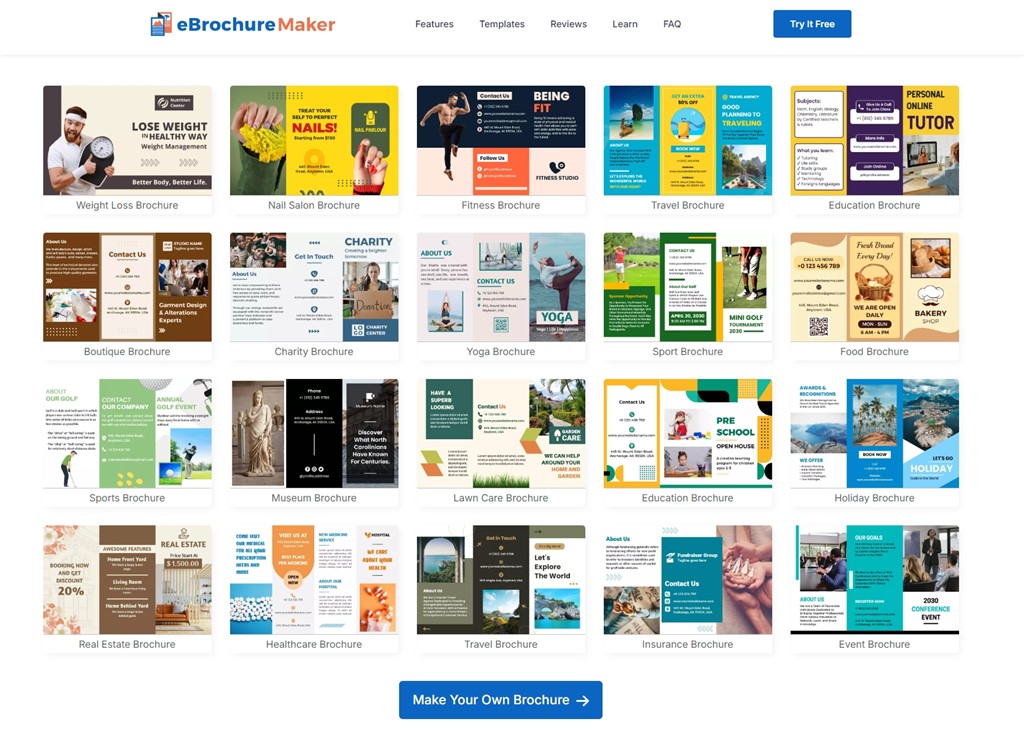
Making brochures


 I learned that after exploring various options, my client highly recommended a web-based application. I pass on his suggestion here because I think it's a good one. 

The Enduring Value of Brochures

Brochures remain a versatile and impactful business asset:

1. Dual-format flexibility: They are effective in both print and digital forms
2. Ideal for detailed product or service descriptions
3. A visual embodiment of your company's identity
4. Suitable for events, direct mail, email, and social media sharing
5. In a digital world, physical brochures provide a tactile experience that can leave a lasting impression
6. Modifying your brochures to specific audience segments or as conditions change is easy. 
7. Cost-effective compared to some digital advertising methods as they have a high return on your investment.

Brochure Design Software Comparison

Brochures are bigger than pamphlets, and I suggest looking for something that can handle a larger format.

- Free trial option: I recommend testing a system out before committing to it. So, a free trial is a big plus. Sometimes, some software does not fit you; I am shocked about how some people's minds work.  Anyway, test the platform before committing.

- Look for a user-friendly interface that works for you. Check that it is easy to use, especially with modern AI brochure maker  tools that can streamline the design process.  

- Growth potential: You do one brochure, you probably want to do another and another, and as you get better, you will want something that you can grow into. 

- Check that it has many customisable templates and a wide range of professional templates to suit your business and style. You do not want to keep starting from scratch with every brochure.

- Today, everyone wants to work wherever they are. This is a big plus if your software is available on the web and so accessible from any device with an internet connection

- Export options: Flexibility to export in various formats suitable for both print and digital distribution. You will find that different people want different formats.

Effective Brochure Design Tips

To ensure your brochure makes a lasting impression, it's your business, and you do not want to appear unprofessional, so consider these tips:

Eliminate Errors

**Proofread meticulously**: Typos and spelling errors can significantly undermine credibility. Please have multiple people review the content before finalising. A helpful tip is to read the text backwards; it can often show mistakes.

Stay Current

**Feature up-to-date products**: Ensure your brochure showcases your latest offerings to avoid misleading potential customers. I had a client who used a picture of a spa model. Soon, it became an old model, meaning the brochure became useless. 

Optimise for Various Devices

**Test across platforms**: Your e-brochure may look different on different screens. Use online tools to preview how it appears on other devices, such as iPhones and Samsung mobiles. One site that does this well is here.

Prioritise Readability

**Focus on text layout**: No one will read a poorly organised brochure; all you do is deter the reader. Aim for clear, concise, and well-structured content.

Balance Information

**Avoid information overload**: While including every detail is tempting, focus on key messages. A picture is often better than words.

Maintain Consistency

**Use a cohesive design**: To create a professional look, stick to a consistent colour scheme, font selection, and style throughout the brochure.

Choose Colours Wisely

**Ensure legibility**: Select colour combinations that enhance readability. High-contrast options, such as black text on a white background, often work best.

Use High-Quality Images

**Incorporate professional visuals**: High-resolution images can enhance your brochure's appeal significantly. Consider contacting suppliers for professional product photos. I have yet to meet a supplier who has not been helpful here. 

Include Accurate Contact Information

**Double-check details**: Ensure all contact information is current and easily visible within the brochure. 

I had a client who forgot to include their contact details. What is the point of making a great brochure if the potential customer needs to learn who you are? 

Prioritise Content Over Design

**Focus on your message**: While the design is essential, the content should be your primary focus. Communicate your value proposition and key selling points.

Brochure Design Best Practices

To avoid common pitfalls and create genuinely effective brochures, consider these best practices:

1. **Plan**: Start by looking for something good. It will give you a good idea of what to do.

2. **Work from what you know**: Working with what you know and move into what you do not know. Fill in what you can and then slowly work into the unknown. It will fall into place. 

3. **Allow ample time**: I would not rush it.

4. **Consider your audience**: You are not writing for yourself but for your target market.

5. **Incorporate a clear call to action **: You need to explain to readers what to do after reviewing your brochure.

6. **Optimise for the proposed format**: Check separately for print and digital distribution. What works for one does not work for the other.

7. **Links**: For e-brochures, incorporate clickable links or embedded media to enhance engagement. 

8. **Use QR codes**: QR codes are used on printed brochures to link the gap between print and digital experiences.

9. **Use graphs or infographics**: Do not use heaps of figures; instead, use graphs and other visual representations of data to make complex information more digestible.

10. Use appropriate font sizes and colour contrasts to ensure your brochure is readable for individuals with visual impairments.

Remember, your business image is on display in every brochure you create. Allocating time and resources to design sophisticated, engaging brochures results in powerful promotional assets that yield results across traditional and digital mediums. A well-crafted brochure, adept at presenting products, underlining services, or narrating your brand's journey, can serve as a linchpin in your marketing strategy, aiding in differentiation and leaving an indelible mark on potential customers.
Add new comment

Restricted HTML

  • Allowed HTML tags: <a href hreflang> <em> <strong> <cite> <blockquote cite> <code> <ul type> <ol start type> <li> <dl> <dt> <dd> <h2 id> <h3 id> <h4 id> <h5 id> <h6 id>
  • Lines and paragraphs break automatically.
  • Web page addresses and email addresses turn into links automatically.
CAPTCHA This question is for testing whether or not you are a human visitor and to prevent automated spam submissions. Image CAPTCHA
Enter the characters shown in the image.

Get smart shop products for Uncertain Times

POS SOFTWARE

We have all seen firsthand firsthand how economic downturns can impact retail. We must accept that Australians face a significant financial challenge in the immediate future, and retailers must adapt their product offerings to these times. 
 

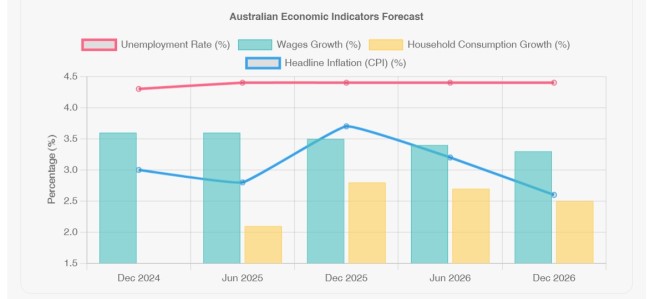
Here are the RBA Australian Economic Forecast: Labor Market, Consumer Spending, and Inflation Trends (2024-2026)


RBA Australian Economic Forecast: Labor Market, Consumer Spending, and Inflation Trends (2024-2026)


As you can see, unemployment is expected to remain stable, and wage growth will be less than inflation, so household consumption will be below inflation. As such, the consumer and, as such, the retailer are looking at challenging times.

Understanding Consumer Behaviour in Tough Times

During economic uncertainty, consumers tighten their belts and try to cut money where they can, but they don't stop spending entirely. Instead, they prioritise:

  • Essential items
  • Products that offer value for money
  • Small, affordable luxuries

Targeting your inventory with these priorities can help weather the storm as a retailer.

I have seen firsthand how retailers in one field, like newsagencies, have moved successfully into totally unrelated fields like liquor, groceries and clothing, so accept an idea that is out of the box.

Top Product Categories to Consider

1. Children's Essentials

Parents always prioritise their children's needs, which they rarely cut down. Consider stocking:

  • Children's clothing (especially basics) - Clothing, in general, has proven to be an item that most retailers can get into. Kids need a constantly changing wardrobe.
  • Particularly, look at baby products.
  • Educational toys and books
  • Children art supplies

My experience talking to retailers Is that children's clothing maintains steady sales even when adult fashion retailers struggle.

2. Affordable Luxuries

People still want to treat themselves, just on a smaller scale. Look into:

  • Cosmetics and skincare - Women do not cut down much on cosmitics.
  • Gourmet food items
  • Small home decor pieces

Tip: Create attractive displays of these items near your checkout to encourage impulse buys.

3. Home Maintenance Products

As people spend more time at home, home improvement spending goes up:

  • Tools 
  • Paint and decorating materials
  • Gardening essentials
  • House cleaning supplies

4. Health and Wellness Items

Health becomes a top priority during uncertain times. Consider:

  • Vitamins and supplements - I wonder why more retailers overlook these products.
  • Fitness equipment and books.

5. Pet Supplies

Pet owners rarely skimp on their furry friends. Stock up on:

  • Toys and treats - particularly dogs
  • Pet care items and books.

Pricing and Promotion Strategies

To make these product categories work for your business:

  1. Emphasise value: Highlight cost-per-use or long-term savings.
  2. Bundle products: Create value packs that offer slight discounts. Bundles work well in difficult times.

Leveraging Technology

Your point-of-sale system can be a powerful tool in navigating these challenges. Use it to:

  • Track inventory trends
  • Identify your best-selling items
  • Manage promotions effectively

Personal insight: Our POS software has helped retailers quickly identify their product mix that sells now based on real-time sales data, which is a crucial advantage in rapidly changing markets. This information is not theoretical but honest facts about what is happening in your business. It takes you one second to find out, see here.

The Bottom Line

Success in retail isn't about being the past, but about the future, the most adaptable to change always win.

Adjust your product mix to the current times, emphasise necessities and affordable treats. Really dig into the information from your POS system - it's full of useful information about what your customers buy from you.

These approaches have helped many retailers I've worked with stay strong during tough economic times. You can do it too.

Add new comment

Restricted HTML

  • Allowed HTML tags: <a href hreflang> <em> <strong> <cite> <blockquote cite> <code> <ul type> <ol start type> <li> <dl> <dt> <dd> <h2 id> <h3 id> <h4 id> <h5 id> <h6 id>
  • Lines and paragraphs break automatically.
  • Web page addresses and email addresses turn into links automatically.
CAPTCHA This question is for testing whether or not you are a human visitor and to prevent automated spam submissions. Image CAPTCHA
Enter the characters shown in the image.

Father's Day 2024

POS SOFTWARE

Father's day 2024

Father's Day is almost here. I hope you are prepared as it retails a golden opportunity, so please do not waste it. Let's dive into how you can use your point of sale (POS) software to maximise your sales.

Background this Father's Day

According to recent data, Australians are set to spend a lot. $820 million on their dads this year. That's a lot of potential sales to go around! Here's what people are buying now:

  1. Alcohol and food (34%)
  2. Clothing, shoes, and sleepwear (15%)
  3. Books, games, and music (15%)

While that's exciting news, the figure itself is slightly down last year, with the average person shelling out $101 instead of $112, but last year's figure was outstanding, so don't worry. 

At the GiftFair in Melbourne. Suppliers seemed to be pushing items for Father's Day, these items:

  • Beer steins and unique drinkware: Perfect for dad's favourite brew!
  • Quirky socks: Because who doesn't love fun feet?
  • Male grooming items: Help Dad look his best. I do not know how it will go in Australia, but retail publications in the UK are now saying they are doing well in retail shops.

Using Your POS System to Boost Sales

Check What Worked Last Year

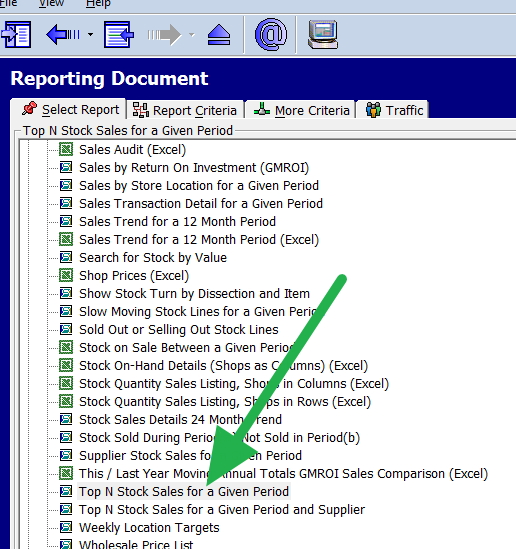
The fact is that we are creatures of habit. What worked well last year often works this year. Do you remember last Father's Day? What sold well but didn't work? Your POS Software does! Use the "Top N Stock Sales for a Given Period" report to see last year's sales. 
 

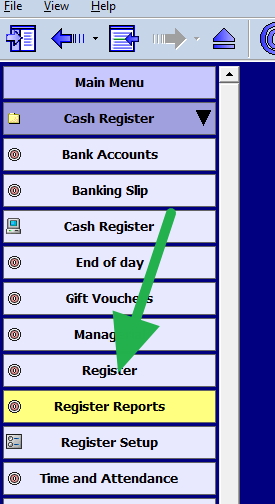
Go to Register Reports.

Now pick "Top N Stock Sales for a Given Period."

In the form, put in today's and day-a-week's search and check it out. That will give you what worked last year. Make sure that these items are noticeable in your shop now.

Create Irresistible Bundles

Use your POS to create and track gift bundles. Maybe a "Beer Lover's Bundle" with a fantastic Stein and local brews? 

Offer Early Bird Specials

Did you know that 10% of shoppers have already bought?  The odds are now people are buying for Father's Day.

Making Shopping a Breeze

Remember, stressed-out gift buyers are your friends. Make their lives more accessible, and they'll love you for it. So, set up a "Father's Day Favourites" stand in your store and

  • Put your good sellers on the stand from your POS System data
  • Create staff picks based on sales data

Wrap It Up

Father's Day might be a short season, but it can significantly impact your bottom line. By using your POS system smartly and focusing on what shoppers want, you can turn this day into a real winner for your store.

Add new comment

Restricted HTML

  • Allowed HTML tags: <a href hreflang> <em> <strong> <cite> <blockquote cite> <code> <ul type> <ol start type> <li> <dl> <dt> <dd> <h2 id> <h3 id> <h4 id> <h5 id> <h6 id>
  • Lines and paragraphs break automatically.
  • Web page addresses and email addresses turn into links automatically.
CAPTCHA This question is for testing whether or not you are a human visitor and to prevent automated spam submissions. Image CAPTCHA
Enter the characters shown in the image.

Boost your shop sales with Google Business Profile

POS SOFTWARE

Your Google Business profile

Modern times demand modern methods, which means retailers must embrace online visibility. Today, in Australia, online visibility means Google, which means you need a Google Business Profile. What good is your "Open" sign if a shopper today looking for a particular business pulls out their smartphone and searches to find a product you sell?  If Google does not know you, they will recommend someone. Then, that customer will likely follow Google's directions to someone else.

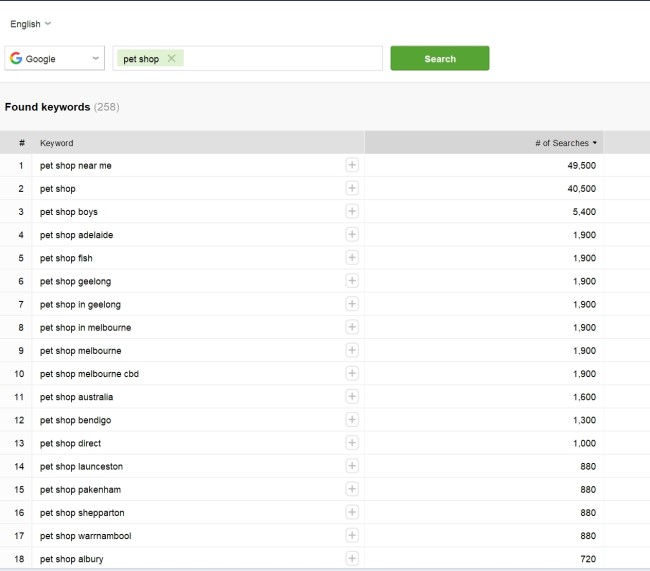
Let me show you some examples of Google searches in Australia for some local businesses; I will pick three examples: a newsagency, a pet shop and a cafe.

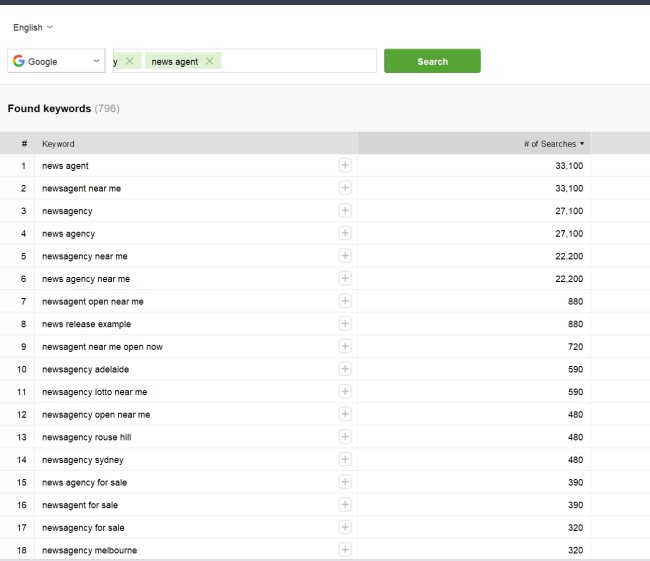
I entered my SEO analytics provider, set Google, and then said newsagency. I asked what the top 18 things people search for when they look at newsagency are.


If you look at the list, location is more than half the searches. People are looking for a newsagency if we assume that 3,000 newsagencies in Australia is about 81,000/3,000 = 27 monthly searches per newsagency. 

Let us look at pet shops, and the situation is the same.


There are about 2,300 registered pet shops, which is about 62300/2300 =27  searches per pet shop a month. Interesting, it is the same.

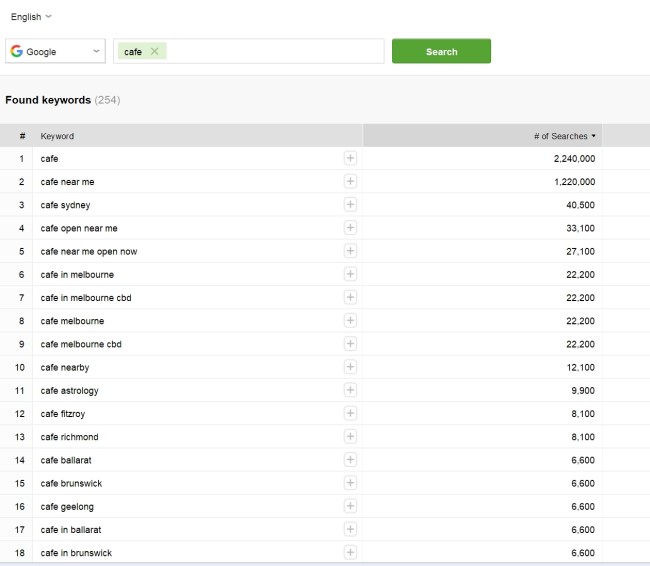
Finally, let us look at cafes; it's the same story. 

We are looking at about 1,400,00 searches, and as we have about 26,124 Cafes and Coffee Shops businesses in Australia, we are looking at 53 searches per month for each cafe.

In all cases, many potential customers will use Google to look for locations for businesses that are almost certainly at the end of their buying cycle and ready to buy.

Ask yourself, "Why cannot they Google my business? Maybe it will increase sales if they find your business. We call this local SEO." 

For retailers seeking expert assistance, a comprehensive GMB management service can help you optimize your profile for maximum visibility.

A Note on Industry Collaboration

Despite our general policy of not referencing other industry players, we feel it's important to highlight our agreement with industry colleagues on this topic. The vital role of online presence for retailers has been a consistent theme in our industry dialogues, and it's gratifying to see a unified strategy emerging to support businesses in their digital evolution.

Why Google Business Profile Matters

In today's digital landscape, people often turn to Google when searching for local businesses. A well-optimised Google Business Profile ensures your shop appears in local search results and Google Maps. This increased visibility can lead to more foot traffic and sales. We call that Local search optimization to help with your business marketing. Today, 46% of all Google searches have local intent.
 

Tips

1. Check Your Google Business Profile

Check if you have one. If you have not, start making one. You may need to claim the existing one for your business listing.

2. Check the Information

Ensure the information about your business is correct and up-to-date, including:

  • Business name
  • Address
  • Phone number
  • Website
  • Opening hours

3. Choose the Right Category

Select the most appropriate category for your business to help Google understand what you offer.

Optimizing Your Profile for Local Searches

1. Add High-Quality Photos

Upload attractive photos of your store's exterior, interior, and products. Visual content significantly influences potential customers' decisions, so do not be afraid to take hundreds of pictures to find the right ones. You want to showcase your business.

2. Encourage and Respond to Reviews

Positive reviews boost visibility and credibility. Encourage satisfied customers to leave reviews and always respond to them, whether positive or negative. Go to your favourite customers and ask them. Tell them it's a big favour if you could give us one. 

3. Use Local Keywords

Include keywords that local shoppers might use when searching for your products or services in your business description. A simple way of doing this is to ask your customers what words they would use online if they planned to look for your product XYZ.

Verifying Your Google Business Profile

This is very important, as I see so many people messing up at this step. Verification is crucial for your listing to be found by searchers as this process has changed significantly since last year, so do the following to verify your business:

  1. Sign in to your Google account and go to google.com/business. Check it is verified it is not
  2. Select your business and click "Verify now."
  3. Choose your preferred verification method (usually by mail, phone, or email).
  4. Follow the instructions provided by Google to complete the verification process.

Monitoring and Analyzing Performance

Google Business Profile provides insights into how customers find and interact with your profile. Use this data to:

  • Understand which products or services are most popular
  • Identify peak times for customer interest
  • Refine your marketing strategies

Elevate Your Local SEO

In today's digital-first retail environment, harnessing free tools like Google Business Profile can be a game-changer. Implementing these strategies and maintaining an active profile will significantly boost your visibility to local shoppers seeking your products. Remember, consistency is key—keep your profile fresh and engaging. Seeing our industry unite to support retailers' digital growth is inspiring. We're fostering a vibrant local business ecosystem through knowledge sharing and collaboration. This cost-free advice can potentially drive substantial foot traffic to your store. Embrace these digital opportunities and increase your sales!


FAQ: Google Business Profile for Australian Retailers

What is a Google Business Profile? 

A Google Business Profile is your business's digital storefront on Google. It's like an "Open" sign for the digital age, helping potential customers find you when they search online.

Why is it important for Australian retailers? 

In Australia, online visibility often means Google visibility. Our research HERE shows that local businesses receive significant monthly searches:

  • Newsagencies: ~27 searches per month
  • Pet shops: ~27 searches per month
  • Cafes: ~53 searches per month. These searches are often from customers ready to buy, making your Google presence crucial.

How do I create or claim my Google Business Profile?

  1. Click here.
  2. Sign in with your Google account 
  3. Enter your business information
  4. Choose the appropriate category
  5. Add your location and service areas
  6. Provide contact details and website information
  7. Verify your business

If you have trouble give me a call.

What information should I include in my profile? 

Ensure your profile includes:

  • Accurate business name
  • Correct address
  • Up-to-date phone number
  • Website URL
  • Current opening hours
  • Appropriate business category
  • High-quality photos of your store and products

How can I optimize my profile for local searches?

  1. Add high-quality photos of your store and products
  2. Encourage and respond to customer reviews
  3. Use local keywords in your business description
  4. Keep your information up-to-date
  5. Post regular updates about promotions or new products

How do I verify my Google Business Profile?

  1. Sign in to your Google account
  2. Click here.
  3. Select your business and click "Verify now"
  4. Choose your preferred verification method (mail, phone, or email)
  5. Follow Google's instructions to complete the process

Can I track how my profile is performing? 

Yes, Google Business Profile provides insights into how customers find and interact with your profile. Use this data to understand popular products, identify peak interest times, and refine your marketing strategies.

Is a Google Business Profile free? 

Yes, creating and maintaining a Google Business Profile is completely free.

How often should I update my profile? 

Keep your profile updated regularly. Change business hours, contact information, or services immediately. Post new photos, respond to reviews, and share updates about promotions or new products to keep your profile fresh and engaging.


Add new comment

Restricted HTML

  • Allowed HTML tags: <a href hreflang> <em> <strong> <cite> <blockquote cite> <code> <ul type> <ol start type> <li> <dl> <dt> <dd> <h2 id> <h3 id> <h4 id> <h5 id> <h6 id>
  • Lines and paragraphs break automatically.
  • Web page addresses and email addresses turn into links automatically.
CAPTCHA This question is for testing whether or not you are a human visitor and to prevent automated spam submissions. Image CAPTCHA
Enter the characters shown in the image.

Learning Social Media marketing

POS SOFTWARE

Can social media marketing help your small retail business stand out? Let's explore how social platforms can amplify your unique offerings and attract more customers. Today, fewer people now walk to your shop to shop; they surf the net for shopping. Many retailers now post something on their Facebook company page every day. It is their primary communication method. Today, in business, using social marketing has never been more important—vital, I would say.

No business can afford to ignore social media as part of its marketing strategy.

Checkout statistics for social media in Australia

"85% of the eligible (age 13+) Australian population have active social media accounts and spend an average of 1 hour 47 minutes per day on social media."

Last year, in 2023, I was shocked when a client asked us for help setting up a Facebook page. We helped him out, but now the problem is that he does not know how to use it. I told him that he would do better to learn. There is no excuse if he cannot get someone to help him. Then, I gave him a few pointers. I advised him that there are plenty of good online courses and that he does not need to pay a cent for them to learn, for example, the Hubspot social media marketing course. I completed an online social media marketing course, which ultimately resulted in a social media marketing certification.
 

social media certificate

I thought it was worthwhile. If you know something better, please let me know, and I will tell people here about it.

Here are some advantages of social media.

  1. Visibility: Social media platforms can help you get to a broader audience.
  2. Cost-effective: Social media marketing strategies can often be free.
  3. Customer engagement: You can interact directly with your customers, building relationships and loyalty.
  4. Local Targeting: Social media allows you to target customers in your local area.

Getting Started with Social Media Marketing

Choose the Right Platforms

Not all social media platforms are the same. Ask your customers; this helps you focus on the ones where your target audience is most active. For retailers, Facebook and Instagram are often good starting points.
 

Facebook

Learning from Successful Social Media Strategies

When it comes to starting social media marketing, it's crucial to learn from those who are doing it well. If you can, get an expert to help you start even better.

Study and Adapt

One of the best ways to improve your social media presence is to learn from successful retailers doing similar stuff by:

  1. Identify successful competitors: Look for businesses with engaging social media profiles like yours.
  2. Analyse their content: What types of posts get the most engagement? How often do they post?
  3. Observe their tone: Is it friendly, professional, or humorous? How do they interact with followers?
  4. Note their visual style: What images or videos do they use?


Pay attention to their social media creatives - the elements that make their posts recognizable and engaging. This will help you develop your own consistent visual brand identity.

I recommend you go to Facebook and see what a few similar businesses to yours are doing there now. Check the ones you like and take a few notes about what your business needs. Note the words they say, too. Presumably, they have experimented and found that these work. I admit that when I started with social media, I copied people in Canada; they are similar to Australia, and I found that what they did was novel and new in Australia.

So, to start, copy what they do, change it to make it yours and see how you go. As you learn more, you can adapt.

You can always experiment later with the paid services, but like anything, if you are going to pay, it's best to know a little first.

Key Strategies to Implement

Based on my observations of successful retailers, here are some effective strategies:

  1. Showcase your products: Use high-quality images and videos to highlight your offerings.
  2. Behind-the-scenes content: Give followers a peek into your daily operations or product creation process.
  3. Customer spotlights: Feature satisfied customers using your products or services.
  4. Engage with your audience: Respond promptly to comments and messages.

My Personal Experience

When we revamped our social media strategy for our POS company, we started by studying successful tech companies and local retailers. We noticed that posts showcasing real-life applications of our software received the most engagement.

We began creating short video tutorials demonstrating how our POS system solved common problems for retailers. These videos attracted potential customers and provided value to our existing clients. We also started featuring customer success stories, significantly boosting our credibility and engagement rates.

Measuring Success

To ensure our strategy was effective, we tracked KPI metrics. Most social media sites give you this stuff for free.

By consistently applying these strategies and measuring our results, I know we significantly improved our social media presence and, ultimately, our business growth.

Remember, the key is to start with observation, adapt strategies to fit your unique business, and consistently measure and adjust your approach. With time and effort, you can develop a solid social media presence that supports your shop and have much fun doing it.

  • Engaging: Use high-quality images and videos for your products; your suppliers have this; ask them for social media content. I am sure they have a social media manager who can help you get effective social media. Alternatively, explore online image generator options to create professional visuals tailored to your brand, ensuring your posts stand out and attract more engagement.
  • Informative: Share tips, how-to guides, and product information.
  • Authentic: Show the human side of your business.

Consistency is Key

To keep your marketing campaign going, you must maintain a regular posting schedule and commit to best practices in social media management.

Leveraging Social Media for Your Shop

Here are some ways to use social media to promote your retail shop:

  1. Showcase your products: Show photos and videos of your products. If you get new gift items, books, or pets in your shop, take a picture and share it online. 
  2. Share customer testimonials: These bring trust by highlighting positive customer experiences.
  3. Provide customer service: I have clients whose staff, when they are not busy behind the counter, are answering customer inquiries on social media.

Be a marketer (an influencer).

Measuring Your Success

Measure the effectiveness of your social media marketing, and keep an eye on these KPIs:

Metric What it Measures Why it's Important
Engagement Rate How much your audience interacts with your content Indicates content relevance and audience interest
Reach Number of unique users who see your content It shows how far your message is spreading
Conversions Actions taken by users (e.g., website visits, purchases) Directly ties to business goals


Webinar

If there is enough interest, I am prepared to do another webinar on a social media course to teach people how to do a content marketing social media campaign using the free marketing tools available using a social media marketing plan and, in the process, give you some tips for social media such as getting the times to post.

Conclusion

"It's 2024, and the retail landscape demands a modern approach. Social media marketing stands out as a game-changing tool for small retailers looking to scale their business and highlight their POS software capabilities. Create a compelling online presence that works in tandem with your physical store by carefully choosing your platforms, developing captivating content, and actively engaging with your audience. The secret to thriving? Begin with manageable goals, maintain regularity, and always focus on enriching your audience's experience.


Let your social media shine!

Add new comment

Restricted HTML

  • Allowed HTML tags: <a href hreflang> <em> <strong> <cite> <blockquote cite> <code> <ul type> <ol start type> <li> <dl> <dt> <dd> <h2 id> <h3 id> <h4 id> <h5 id> <h6 id>
  • Lines and paragraphs break automatically.
  • Web page addresses and email addresses turn into links automatically.
CAPTCHA This question is for testing whether or not you are a human visitor and to prevent automated spam submissions. Image CAPTCHA
Enter the characters shown in the image.

Up-selling by cross selling in retail

POS SOFTWARE

Retailers are constantly trying ways to grow their businesses. One method I suggest is cross-selling. This approach involves recommending additional, related products to customers who are already purchasing. For instance, you might suggest they get a card when a customer buys a gift. Your POS system can automatically send you a message if you want. 

Why Cross-Selling Works

Cross-selling is effective because:

  1. It's convenient for customers
  2. It adds value to their purchase
  3. It increases your average transaction value

How to Implement Cross-Selling in Your Store

1. Know Your Products

The first step is to have a deep understanding of your product range. This knowledge allows you to make relevant and helpful suggestions to your customers.

2. Use Your POS Data

Your point-of-sale (POS) system is your goldmine. 

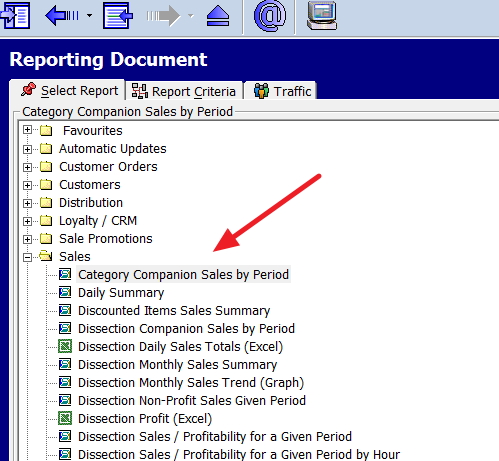
- Access your "Category Companion Sales by Period" report

Up selling by cross-selling


  1. Select a date range (e.g., the past year)
  2. Choose a department or high-selling item
  3. See which products are frequently bought together. You need some intelligence. For example, if an item sells five a year and has a cross-sell rate of 20%, that is one sale, so it is probably not worth it for you to do any rearranging. But if an item sells 15 a week and has a rate of 10% cross-sell, that is at least one to two extra sales a week.

It is that simple and given to you in less than a minute.

Now run this report with a decent period. If you are looking at seasonal or holiday items, e.g., Father's Day coming up, you may want to look at this period last year. You get a list of items and categories that sell well in your shop.

3. Strategic Product Placement

Once you know which products complement each other, place them near each other in your store. This makes it easy for customers to see and consider the additional items.

4. Train Your Staff

Give your team the knowledge and skills to make appropriate cross-selling suggestions. Remember, the goal is to help the customer, not to push unnecessary items.

5. Bundle Products

Create attractive bundles of complementary products. 

Cross-Selling Success Stories

Newsagencies

Newsagencies can boost sales by cross-selling complementary items to their core products. For example:

  • Suggesting greeting cards when customers buy gift wrap
  • Recommend similar magazines to then ones being purchased.

Gift 

Gift can increase average transaction value through strategic cross-selling:

  • Pairing scented candles with decorative holders
  • Suggesting gift bags or boxes with purchased items
  • Offering themed collections (e.g., spa day gift set)
  • Does the customer need a card?

Pet Shops

Pet stores can leverage cross-selling to enhance pet owners' shopping experience:

  • Recommending appropriate food bowls with pet food purchases
  • Suggesting grooming tools with shampoo or conditioner
  • Offering pet toys that complement the customer's pet.

Monitoring your POS Data for Cross-Selling

  1. Analyze purchase patterns to identify frequently bought-together items
  2. Use customer purchase history to make personalized recommendations
  3. Track the success of cross-selling initiatives to refine your strategy

Building your Loyalty Program Through Cross-Selling

When done right, it can significantly boost customer loyalty:

  • Offer personalized recommendations based on past purchases
  • Create loyalty programs that reward customers for trying new product categories
  • Use cross-selling as an opportunity to educate customers about your product range

Maximizing Retail Sales Through Cross-Selling and Upselling

Get a significant boost in your retail sales:

  1. Set specific cross-selling and upselling targets for your team
  2. Create attractive product bundles that offer value for money
  3. Use signage to promote cross-sell and upsell opportunities
  4. Regularly train staff on the products you sell.

Add new comment

Restricted HTML

  • Allowed HTML tags: <a href hreflang> <em> <strong> <cite> <blockquote cite> <code> <ul type> <ol start type> <li> <dl> <dt> <dd> <h2 id> <h3 id> <h4 id> <h5 id> <h6 id>
  • Lines and paragraphs break automatically.
  • Web page addresses and email addresses turn into links automatically.
CAPTCHA This question is for testing whether or not you are a human visitor and to prevent automated spam submissions. Image CAPTCHA
Enter the characters shown in the image.

Gift vouchers a tip

POS SOFTWARE

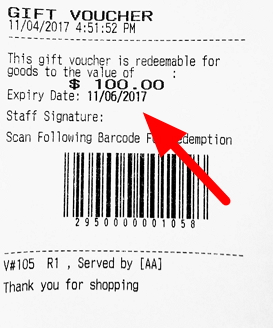
Gift voucher


I've seen firsthand how gift cards can sell well in shops. Let's dive into a clever gift voucher marketing strategy that your POS System can help boost your sales and customer base.

The Power of Gift Cards

If you have an excellent shop, many people today, rather than picking a gift for someone, will buy them a gift card. Studies show that customers often spend more than the gift card value when redeeming, providing an additional boost to your bottom line.

A Smart Gift Card Sales Tip

Here's a gift card sales tip that I've seen work wonders:

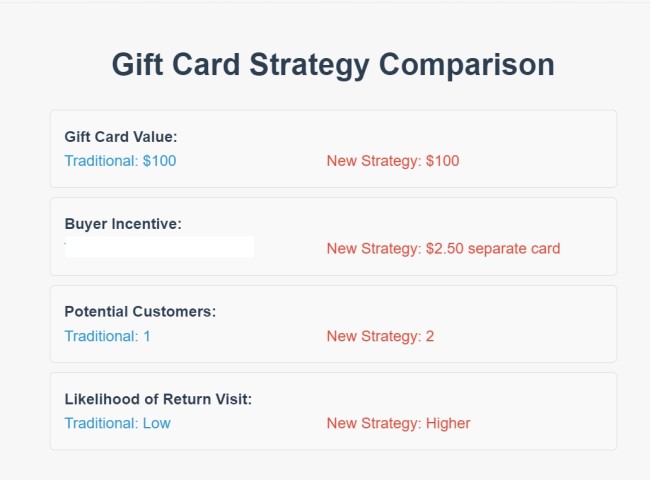
Offer a discount on gift cards using this approach, where you offer a 2.5% discount with a twist.

  1. Offer a $100 gift card
  2. Then provide a separate $2.50 gift card to the buyer as a thank-you bonus

This strategy can:

  • Potentially bring in two customers (the gift recipient and the buyer)
  • Encourage the buyer to return to your store
  • Create a positive association with your brand

Real-World Success Story

I worked with a local boutique that implemented this strategy during the holiday season. The results were impressive.

Implementing Your Gift Card Program

To make your gift card program successful:

  1. Train your staff to explain the benefits to customers
  2. Promote the offer through in-store signage
  3. Track results using your POS system

Gift Cards and Retail Loyalty Programs

Consider integrating your gift card offerings with your retail loyalty program. This can:

  • Encourage repeat purchases
  • Increase the customer lifetime value
  • Provide valuable data on customer preferences

The Numbers Game

Let's break down the potential impact:

Gift Card Strategy Comparison


Conclusion


In the world of retail, small innovations can make a big difference to your bottom line.


Comments

Add new comment

Restricted HTML

  • Allowed HTML tags: <a href hreflang> <em> <strong> <cite> <blockquote cite> <code> <ul type> <ol start type> <li> <dl> <dt> <dd> <h2 id> <h3 id> <h4 id> <h5 id> <h6 id>
  • Lines and paragraphs break automatically.
  • Web page addresses and email addresses turn into links automatically.
CAPTCHA This question is for testing whether or not you are a human visitor and to prevent automated spam submissions. Image CAPTCHA
Enter the characters shown in the image.

Weather does Affect Retail Sales And What You Can Do About It

POS SOFTWARE

Have you ever found yourself shivering in the cold weather, wishing you'd bought that cosy jumper you have at home? Or perhaps you are hot and want a cool drink? These weather-induced moments of need aren't just everyday inconveniences—they're untapped goldmines for savvy retailers. Just look at the recent cold spell that swept across Australia, now sending sales of winter gear soaring.

A research paper here done on the weather stated

"Analyzing daily sales at a national apparel and sporting goods brand’s stores reveals that weather effects on store sales are surprisingly persistent, even after accounting for shoppers simply changing when and where they make their purchases. Moreover, sales at stores that have more experience with adverse weather events have a lower response, suggesting that adaptation may reduce the negative impact of increasingly severe weather on sales."

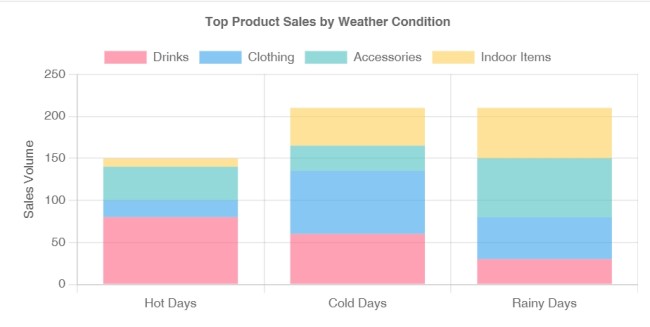
As someone who has analysed sales data for many retail clients, I've seen firsthand how changes in temperature and rain can affect product sales. It is not rocket science. Different weather conditions change what people buy. This is a chart I made based on data from one of our users. 


This stacked bar chart showed the sales performance of different product categories (Drinks, Clothing, Accessories, and Indoor Items) across three weather conditions (Hot, Cold, and Rainy Days). The y-axis represents sales volume, while the x-axis shows the different weather conditions.

Key insights from this chart:

Drinks have the highest sales on hot days, as expected.
Clothing sales peak on cold days, likely due to increased demand for warm clothing.
Accessories like umbrellas showed the highest sales on rainy days.
Indoor items see increased sales on both cold and rainy days, possibly because people spend more time indoors during these conditions.

This chart effectively illustrates how different product categories perform across various weather conditions, allowing users to quickly identify trends and patterns in weather-based sales.

Hot Days, Cool Profits

When the mercury soars:

  • Cold drinks sell
  • Sunscreen sells

Chilly Weather, Warm Sales

As soon as it gets nippy:

  • Hot drinks sell
  • Jumpers and beanies become must-haves
  • Heaters become essential purchases

Rainy Day Retail

When the rain comes down:

  • Umbrellas sell
  • Raincoats become good sellers
  • Indoor activity items like books and board games see increased interest

This weather-driven consumer behaviour is critical to understanding and predicting your sales patterns.

Turning Weather Data into Retail Gold

So, how can you use this info to boost your sales? It's all about being prepared and using your point of sale (POS) software to your advantage for weather-based inventory management and retail sales forecasting.

Dig into Your Data

This is where our POS software for weather trends shines, as your POS system is a goldmine of information for retail data analysis. Here's how to tap into it:

Go to Register Reports

Top selling items menu

Now select "Top N Stock Sales for a Given Period.

Top selling items

Put in a date of a hot day and see what you get. Do a few. Now put in a cold day and so on.

Do this also for cold and rainy days—you'll start seeing patterns emerge. 

These are products that sell in your shop in those days. 

Stock Smart, Sell More

Once you've got your data, use it for weather-responsive merchandising:

Make categories for stock that sell well according to the day's weather, e.g., start with hot, cold, and wet.  Get the appropriate signs.

If a day in the morning is forecasted to be such a day, these signs and products will be placed in a prominent position in the shop. 

Communicating Weather Strategies to Staff

Your team plays a crucial role in implementing your weather-based strategy. Here's how to get them on board:

  1. Hold regular briefings on upcoming weather and corresponding product focuses
  2. Train staff to understand the connection between weather and sales trends
  3. Encourage staff to provide feedback on customer behaviour during different weather conditions
  4. Create simple checklists for weather-based display changes

FAQs: Weather and Retail

Q: How quickly do weather changes affect sales?
A: Impact can be almost immediate, especially for impulse buys like umbrellas or cold drinks.

Q: How far in advance should you plan for weather-related changes?
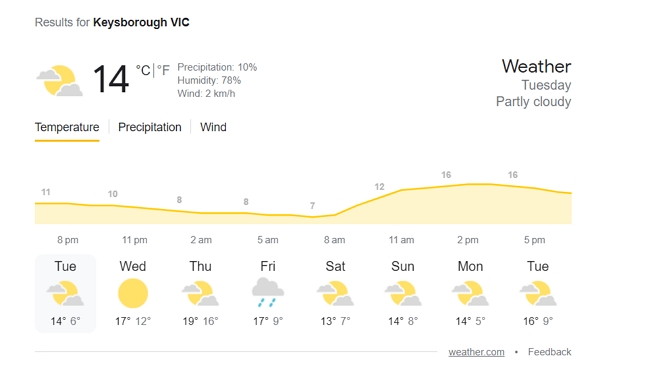
A: Today's seven-day forecasts are generally fairly accurate. 

So I would suggest that you check the 7-day forecast each week in your area and note any abnormal hot, cold, or rainy days coming up.

The Bottom Line

While Mother Nature may be unpredictable, your retail strategy should not be. Make sure you have the right approach and tech tools, to take advantage of the weather to make sales. Your POS system isn't just a glorified cash register—it can be a predictor of your customer behaviour. With some planning and the right tech, you can ensure your sales forecast is always sunny, no matter what's happening outside.

Have you noticed the weather affecting your sales? I'd love to hear your experiences! Comment below or reach out if you need help setting up your POS system to weather any storm.

Stay savvy, and may your sales be ever in your favour!


Comments

Add new comment

Restricted HTML

  • Allowed HTML tags: <a href hreflang> <em> <strong> <cite> <blockquote cite> <code> <ul type> <ol start type> <li> <dl> <dt> <dd> <h2 id> <h3 id> <h4 id> <h5 id> <h6 id>
  • Lines and paragraphs break automatically.
  • Web page addresses and email addresses turn into links automatically.
CAPTCHA This question is for testing whether or not you are a human visitor and to prevent automated spam submissions. Image CAPTCHA
Enter the characters shown in the image.

Boost Your Shop Presence with Review Plaques

POS SOFTWARE

Here is a secret: why do some local shops attract customers? The answer is that online reviews can make or break a small business in today's digital-first world. Here's the catch: Satisfied customers often exit your store silently, while dissatisfied ones eagerly voice their complaints online. To thrive in today's digital marketplace, motivating content customers to share their positive experiences is crucial. As a store owner, you may ponder effective strategies to encourage happy patrons to spread the word about your business in the digital realm.

Enter the review plaque - a simple yet effective tool that may help.

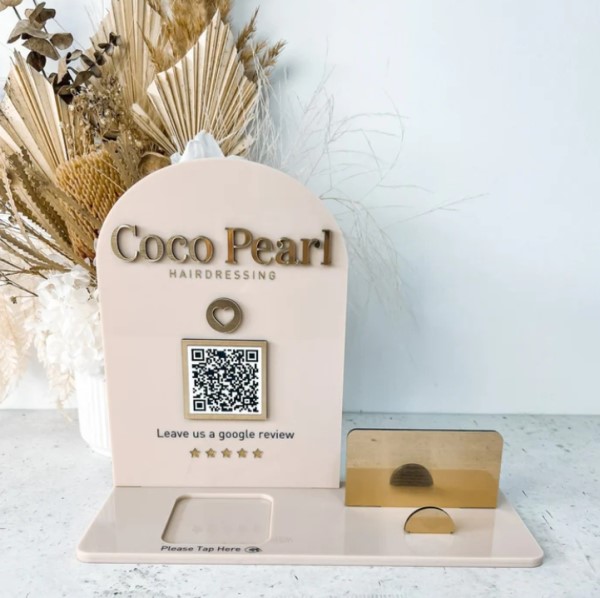
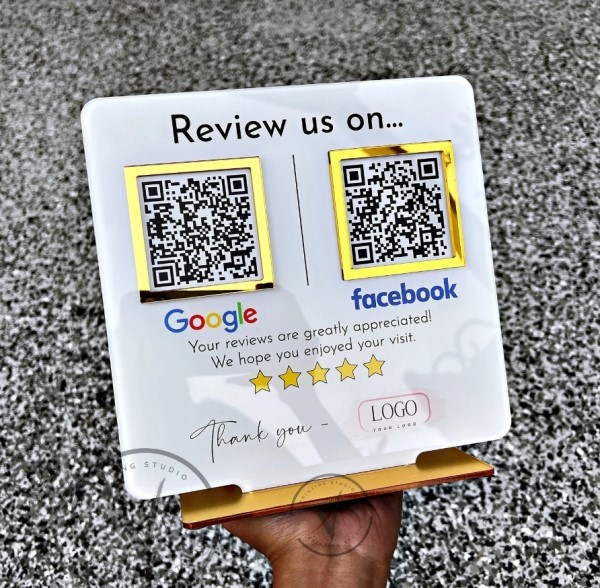
Google review plaque


Facebook and Google review plaque


What Are Review Plaques?

Review plaques are small, smart devices that sit on your counter. They allow customers to quickly leave reviews for your business with a simple phone tap. 

How Do They Work - Local SEO?

The process is straightforward:

  1. As a customer completes their purchase.
  2. You ask about their shopping experience in your shop.
  3. If they're satisfied, you invite them to leave Customer feedback
  4. Ask them to tap their mobile on the review plaque if they agree.
  5. Their phone opens your Google or Facebook review page
  6. Your customer can now immediately write a review on the spot

It's that simple!

The Impact of Review Plaques

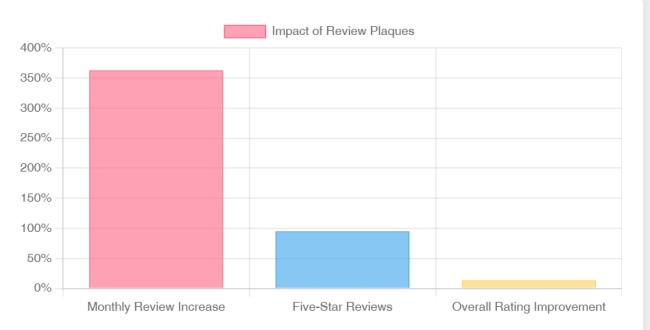
Recent studies here have shown impressive results:


The Impact of Google Review Plaques

One retailer reported jumping from an average of one review per month to a whopping 18 reviews! I am sure it improved their Google My Business ratings.

Pros and Cons

Let's break down the advantages and potential drawbacks:

Pros:

Local, authentic reviews - Google and Facebook do not like it if you use fake reviews. Online, they can be ruthless. I had a client thrown right down Google ranking for doing just that.

Limited to in-store use - If they leave the shop, the customer cannot use them.

Cons:

Some customers may be too busy; after all, they are shopping.

Cost-effective

Takes counter space

Timely feedback

Possible customer pushback

Cost

They're relatively inexpensive, ranging from $20 to $80. For the best results, I recommend investing in a quality plaque around the $40 mark - after all, it'll be front and centre on your counter!

The Bigger Picture: Local SEO and Customer Trust

In a world where consumers often search for "newsagent near me" or "pet shop near me," positive reviews can significantly impact your visibility and credibility. Review plaques offer a simple way to encourage satisfied customers to share their experiences, potentially drawing in new shoppers who trust the opinions of their neighbours.

It works for much more than just these industries; for example, I would want to push "POS System near me" or "POS Software near me."

Ready to Give It a Go?

If you decide to try a review plaque in your shop, we'd love your results! Local SEO strategies like this can make a real difference to small retailers, and we're always eager to learn from our customers' experiences.

Have you used review plaques in your shop? Please, you must share your experiences!

Add new comment

Restricted HTML

  • Allowed HTML tags: <a href hreflang> <em> <strong> <cite> <blockquote cite> <code> <ul type> <ol start type> <li> <dl> <dt> <dd> <h2 id> <h3 id> <h4 id> <h5 id> <h6 id>
  • Lines and paragraphs break automatically.
  • Web page addresses and email addresses turn into links automatically.
CAPTCHA This question is for testing whether or not you are a human visitor and to prevent automated spam submissions. Image CAPTCHA
Enter the characters shown in the image.

Your Customer journey events (CRM)

POS SOFTWARE

Using customer triggers in their journey

Why do some businesses consistently outperform their competitors? The answer is often more straightforward than you think. 

Most sales are recurring or predictable; you can take advantage of this with triggers (free email). Here are some real-world examples of my POS software CRM Users' cases for their loyalty programs. 

1. Birthday email marketing

Do we all do something for our birthdays? Sending a special offer on a customer's birthday is one of the best ways to boost sales. People want to treat themselves, and I am sure you want them to treat themselves from your shop.

2. Reminder email campaigns

Sold a magazine? Great! Set a trigger for when the next issue hits the shelves to notify your customer when it arrives, and you are more likely to see them back in your shop.

3. Pet Owner

Did they buy dog food? They'll need more; it is just a matter of time! Set your CRM trigger based on the average time to use the product.

4. The Annual Service Reminder

Have you just quoted for a lawnmower service? Set a trigger for next year even if you do not get the job, as they will need a new service. Maybe you will get it the next time?

5. Customer segmentation by ethnicity

Say your customer is French, and Bastille Day is coming up; suggest a few books on France.

Your Customer Journey Events in CRM are not just buzzwords but the cornerstone of modern, effective marketing. These strategic touchpoints throughout a customer's interaction with your brand can distinguish between a one-time buyer and a lifelong buyer.

Here, we will discuss the concept, explore its practical applications, and show why implementing this approach could be the best decision for your business.

What Are Customer Journey Triggers (events)?

Customer journey triggers are specific events or milestones in a customer's life or purchasing history that create perfect opportunities for engagement. 

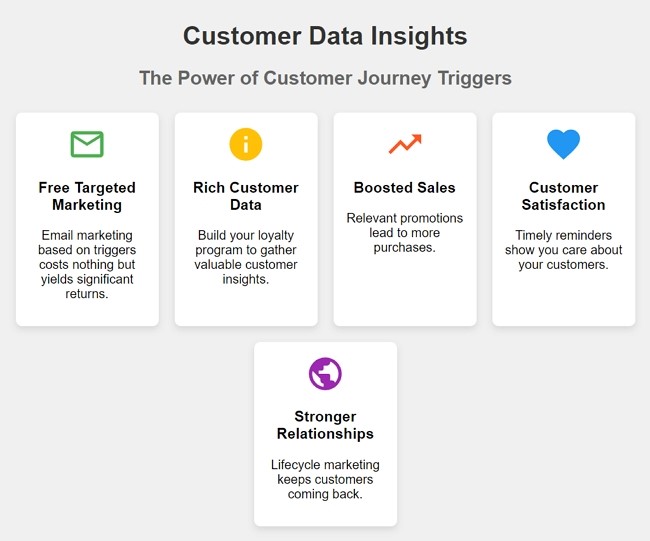
Customer data insights 

  1. Free Targeted Marketing: Email marketing based on these triggers costs you nothing but can yield significant returns.
  2. Rich Customer Data: As you build your loyalty program, you'll gather valuable insights.
  3. Boosted Sales: Relevant promotions mean more purchases.
  4. Customer satisfaction: Timely reminders show you care.
  5. Stronger Relationships: Lifecycle marketing keeps customers coming back.

The Harsh Truth

If you're not using customer journey triggers, you're losing customers to retailers who are. It's that simple.

How to Get Started

  1. Implement a Loyalty Program: This is your foundation for gathering data.
  2. Identify Key Triggers: Look at your products and think about natural follow-ups.
  3. Set Up Automated Emails: Use your POS software's CRM to schedule these trigger-based communications.
  4. Monitor and Adjust: Keep an eye on what works and refine your approach.

Actual Results from my clients

Here are some results I got when I analysed some of my clients' information

Trigger Type       Average takeup
Birthday Offers    25%
Restock Reminders    15%
Annual Service Alerts    30%

A Personal Touch Goes a Long Way

Remember, these triggers aren't just about sales. They're about showing your customers you understand their needs. 

Lifecycle marketing

Customer journey triggers are easy to set up, free to use, and powerful. By tapping into your customers' natural lifecycles, you increase your chance of making a sale.

Dive into your POS software's CRM today and set up those triggers. Give it a go.


Add new comment

Restricted HTML

  • Allowed HTML tags: <a href hreflang> <em> <strong> <cite> <blockquote cite> <code> <ul type> <ol start type> <li> <dl> <dt> <dd> <h2 id> <h3 id> <h4 id> <h5 id> <h6 id>
  • Lines and paragraphs break automatically.
  • Web page addresses and email addresses turn into links automatically.
CAPTCHA This question is for testing whether or not you are a human visitor and to prevent automated spam submissions. Image CAPTCHA
Enter the characters shown in the image.

Gender Trends in retail shopping

POS SOFTWARE

Too many retailers are not considering this.

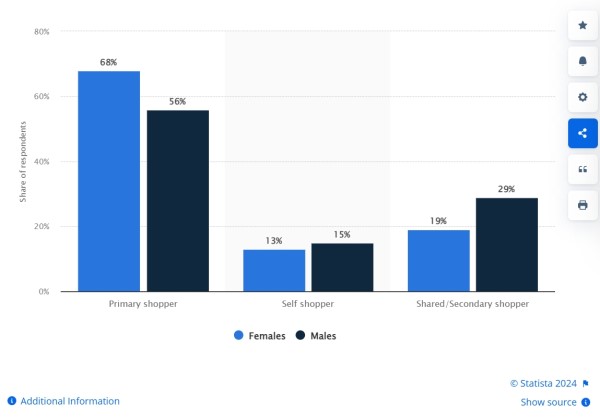
Where there was a family in the United States in 2023 by gender; this was the grocery shoppers. Check this chart below.
 

Co-shopping split of groceries in multi-person households in in the United States in 2023, by gender

I found it interesting that if someone is shopping for themselves, men and women are now doing their shopping.

In another study, I found the result was 51% for women and 49% for men. 

Gender consumer behaviour

While the frequency of shopping today is comparable between genders, studies do show notable distinctions in gender behaviour:

  • Spending Power: Women spend more per trip than their male counterparts. This difference is why women hold a more prominent role in shopping.

  • Shopping Preferences: Men are generally more inclined to shop online and at convenience stores. They like the convenience of these channels. Women seem more likely to shop in physical shops as they prefer the in-person shopping experience.

  • Shopping Mindset: Men are likelier to have a predetermined plan and, most importantly, stick to it. If a male comes to your shop, you better have what he wants. Women are more open to impulse purchases.

  • Price Sensitivity: Men are typically less price-sensitive than women shoppers. Therefore, you could market higher-priced items to males than females.

Implications for Retailers

  1. Optimize Store Layout: Evaluate your store layout. Retailers must ensure that the items men are looking for, such as staple goods and household supplies, are prominently displayed and easily accessible while creating dedicated browsing zones for women.

  2. Strategic Merchandising: For males, consider going upmarket. If dealing with women, you need to make sure the area has plenty of cross-merchandising and impulse product placement to encourage impulse purchases and cater to women's shopping tendencies.

  3. Gender-based marketing: If you are marketing to men, emphasise convenience, while for women, highlight promotions, new products, and their in-store experience.

Adapting to the New Normal

You need to consider your shop to better accommodate these trends. 


Add new comment

Restricted HTML

  • Allowed HTML tags: <a href hreflang> <em> <strong> <cite> <blockquote cite> <code> <ul type> <ol start type> <li> <dl> <dt> <dd> <h2 id> <h3 id> <h4 id> <h5 id> <h6 id>
  • Lines and paragraphs break automatically.
  • Web page addresses and email addresses turn into links automatically.
CAPTCHA This question is for testing whether or not you are a human visitor and to prevent automated spam submissions. Image CAPTCHA
Enter the characters shown in the image.

Voucher vs Point-Based Loyalty Program

POS SOFTWARE

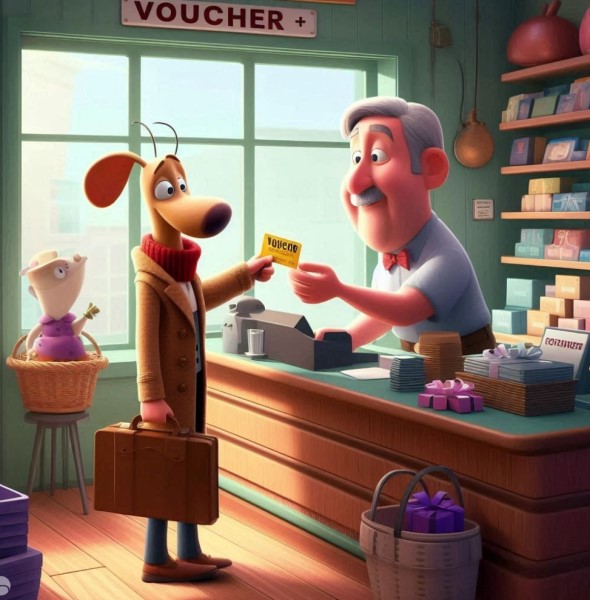
customer using a voucher at a store.

There are two kinds of customer loyalty programs in the loyalty program marketing in our market space.

- An upfront reward or discount voucher program

- A point-based loyalty program.

Our POS Software can implement both with flying colours. The shop selects the appropriate method based on its particular requirements and objectives.

Since I have worked on many occasions with reward programs, I can say that they are good tools for business owners. 

How Upfront Reward/Discount Vouchers and Point-Based Loyalty Programs work

Upfront Reward/Discount Voucher Program

An upfront reward or discount voucher program provides customers immediate discounts or rewards upon purchase.

How It Works:

  1. Distribution of Vouchers: Retailers distribute vouchers at each sale in the receipt; sometimes, they issue them free as advertising offers.
  2. Customer Usage: Customers receive these vouchers and can use them instantly to get a discount on their next purchase. 
  3. Instant Redemption: The reward is applied at the point of sale, giving customers immediate benefits.
  4. Tracking and Analysis: Retailers track the redemption rates and sales generated from the vouchers to evaluate the program's success.

Example: A newsagent offers a 60-cent discount voucher on a purchase. Customers can now use this discount on their next purchase. This encourages them to return to the store.

Strengths of the Voucher Program

The upfront reward/discount voucher program is straightforward and effective. Here's why:

  • Low, upfront technology/integration costs: This program requires little effort. A retailer with our POS system can have it up and running in less than 30 minutes.
  • Simplicity: It’s easy to implement and to understand by customers and staff.
  • The immediacy of rewards: Customers receive instant gratification, which drives quick sales and makes it ideal for creating spontaneous transactions
  • Keep customers: They encourage customers to come back.

Weaknesses of the Voucher Program

However, there are some downsides to consider:

  • Limited customer data/insights: There is no tracking of customer purchases.  
  • Perceived value: A voucher is generally a minor amount, so it is often dubious as a motivation.
  • Margin erosion: Offering discounts can significantly impact your profit margins, especially with lower revenue.

Opportunities for Vouchers

Despite their limitations, vouchers present several opportunities:

  • Appeal to price-sensitive customers: Drive immediate sales.

Threats to Vouchers

However, be aware of potential threats:

  • Race to the bottom: Excessive discounting can lead to a race to the bottom, harming your shop’s perceived value.

Point-Based Loyalty Program

A point-based loyalty program rewards customers by issuing loyalty points on each purchase. After a certain number of points, they can redeem them. Generally, a cent equals a point. 

How It Works:

  1. Enrollment: Customers sign up for the loyalty program, usually providing some information to create an account.
  2. Earning Points: For every purchase, customers earn points based on the amount spent.
  3. Accumulating Points: As the customers accumulate points over time, these are tracked in their loyalty account.
  4. Redeeming Points: Once customers reach a specific threshold value set by the shop, they are hopefully incentivised to redeem their points for rewards, typically a discount, free products, or special services.
  5. Ongoing Engagement: The program encourages repeat business by offering ongoing rewards and benefits for continued purchases.

Example:
Once a customer has earned enough points, a pet shop might offer them a $10 discount on their next purchase.

Strengths of the Point Program

point-based loyalty program offers long-term benefits:

  • Long-term loyalty: Delayed rewards foster long-term customer loyalty without an upfront investment, as unused points cost nothing.
  • Tiers: It allows your customers into a different tier 
  • Meaningful rewards: As they grow over time, they can be something of substance. 
  • Credibility: This proven model is trusted and has credibility
  • Customer data collection: Enables personalisation and better understanding of customer preferences.
  • It allows customer communication: A shop can send monthly customer loyalty statements that advertise the shop. This is an excellent way of increasing your customer experience with your shop.

Weaknesses of the Point Program

Yet, there are also some drawbacks:

  • Management overhead: It requires an advanced POS System like ours to run effectively
  • Long-term:  It takes time for the program to be meaningful to the customer.

Opportunities for Points

Points programs also offer significant opportunities:

  • Loyalty development: Building a loyal customer base early can provide a strong foundation for growth.
  • Unique rewards: Differentiating your program with unique, memorable rewards can enhance customer engagement.
  • Future CRM integration: As your business grows, you will benefit from our free retail CRM and loyalty tools.Threats to Points

Threats for Points

  • Competition: Keeping up with larger competitors' loyalty programs can be costly.
  • Reward expectations: Struggling to provide aspirational rewards might disappoint customers.
  • Operational distraction: Managing such a loyalty program can take time.

Return on Investment (ROI)

Measuring its return on investment (ROI) is vital to establishing a successful customer loyalty program. Never forget that we are dealing here with price cannibalization.

Here are key performance indicators (KPIs) that I have seen used to track them:

Both of them

Cost of the program: You are giving away a lot of discounts, so you need to calculate the amount

Time of the program: Conducting such a program will take time, so you must add it up.

KPIs for Voucher Programs

  • Redemption Rate: The percentage of distributed vouchers that are redeemed. A higher rate indicates strong customer engagement.
  • Incremental Sales: You must establish sales generated directly from the voucher program. This helps measure the program's impact on revenue, but it is very difficult to do.
  • Customer Acquisition Cost (CAC): The cost of acquiring a new customer through the voucher program.
  • Average Transaction Value: The average amount spent by customers using vouchers. This metric helps assess the program's impact on spending behaviour.
  • Repeat Purchase Rate: The percentage of customers who make subsequent purchases after redeeming a voucher.

KPIs for Point-Based Programs

  • Enrollment Rate: The percentage of customers who join the loyalty program. This indicates the program's attractiveness and reach.
  • Active Participation Rate: The percentage of enrolled members who earn and redeem points. High participation suggests strong engagement.
  • Customer Retention Rate: The percentage of customers who continue to shop with you over time. This metric measures long-term loyalty.
  • Lifetime Value (LTV): The total revenue a customer generates during their relationship with your business. This helps evaluate the overall effectiveness of the loyalty program.
  • Points Redemption Rate: The percentage of earned points that customers redeem. This shows how valuable and attainable the rewards are perceived to be. What you should closely monitor is the point when these are redeemed.

Calculating ROI

To calculate the ROI of your loyalty program, use the following formula:

=(Net Profit from Program) - (Program Costs) /  (Program Costs)  x 100%

  • Net Profit from the Program is the additional profit from the loyalty program.
  • Program Costs include all expenses related to running the program, such as discounts, rewards, and administrative costs.

Conclusion

Choosing between an upfront reward/discount voucher program and a traditional point-based loyalty program depends on your specific needs as a small retailer. Both strategies have their pluses and minuses and be effective. Like everything, you have to use some intelligence to make an informed decision. 

Add new comment

Restricted HTML

  • Allowed HTML tags: <a href hreflang> <em> <strong> <cite> <blockquote cite> <code> <ul type> <ol start type> <li> <dl> <dt> <dd> <h2 id> <h3 id> <h4 id> <h5 id> <h6 id>
  • Lines and paragraphs break automatically.
  • Web page addresses and email addresses turn into links automatically.
CAPTCHA This question is for testing whether or not you are a human visitor and to prevent automated spam submissions. Image CAPTCHA
Enter the characters shown in the image.

Sell more with captivating hamper pack names

POS SOFTWARE

Sell more with captivating hamper pack names

If you want a simple, easy, and free way to sell more, an effective strategy to boost your revenues is making a good hamper pack name. One often overlooked aspect that can make a significant difference is the naming of your hamper packs. In real estate, it is said a house with a name is worth more. This is because a well-crafted name will entice people and so increase sales by making your offerings more memorable. So, ultimately, drive your business growth.

Key Principles for Effective Hamper Pack Naming

  1. Balance Creativity and Clarity: While you want a unique name that stands out, it should still clearly convey the contents of the hamper pack. Strike a balance between creativity and clarity to capture the essence of your offering.

  2. Avoid Ambiguity: Ensure that the name leaves no room for ambiguity about the type of items included in the hamper. Clarity is crucial in avoiding confusion and lost sales opportunities.

  3. Easy to Remember: A memorable name is essential for word-of-mouth marketing and repeat business. Opt for simple, catchy names that stick in customers' minds and are easily recalled.

  4. Distinctiveness: Aim for a name that sets your hamper packs apart.

  5. Positive Imagery: Choose words that evoke positive feelings about gifting, celebration, creativity, productivity, and organisation. 

  6. Avoid Legal Issues: We do not need this. Avoid names that are too similar to existing major brands or trademarks. I had a client who got in trouble with central management for doing that in his shop.

Examples of Simple and Effective Hamper Pack Names 

Say for stationery

- Home Office Pack

- Kindergarten Pack

- Starter Pack

- Small Pack

- Medium Pack

- Large Economy Pack

When naming a lotto syndicate, try to make it an exciting game. Finding the right name can set the tone for your group.

- Gold Rush Syndicate

- Dream Big Syndicate

- Millionaire Maker

- Jackpot Gold Alliance


These names are informative and memorable and evoke positive imagery related to their respective target audiences and intended uses, making them ideal choices for hamper packs.

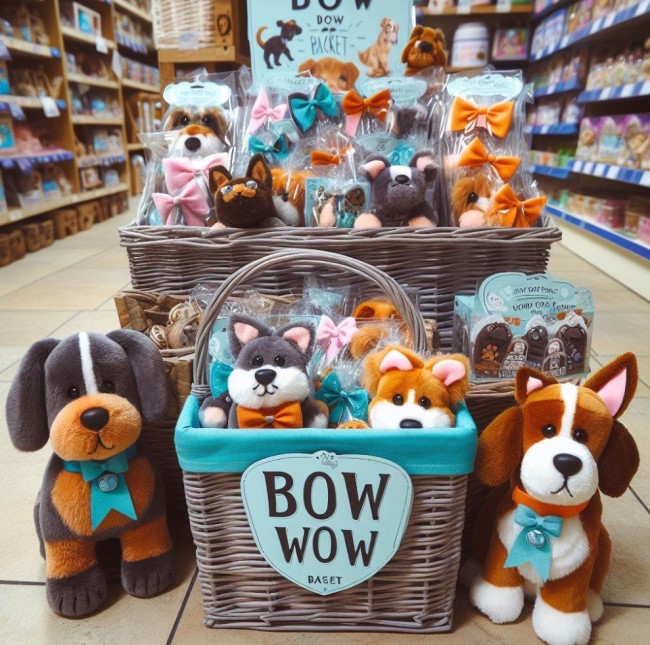
Remember to take high-quality photos of your hamper packs! These images can showcase your hamper names on social media platforms and marketing materials, further enhancing brand recognition and driving sales.

How to get Brainstorm Hamper Pack Names

I suggest using online name generators like BrandCrowd's hamper name generator to kickstart brainstorming captivating hamper pack names. This tool not only provides a wide range of name suggestions but also offers you an accompanying logo design for your hamper.

Here's how you can leverage BrandCrowd to brainstorm hamper pack names:

  1. Visit the BrandCrowd and enter relevant keywords related to your hamper pack offerings, such as "gift," "kids stationery", "bulk dog food," etc.
  2. Browse through the generated name suggestions, paying attention to those you think will resonate with your customers.
  3. Shortlist names that balance creativity and clarity evoke positive emotions and are memorable and easy to recall.
  4. Consider mixing and matching different name and logo combinations to find the perfect fit for your hamper.
  5. After finding a few, I recommend seeking feedback from potential customers to gauge their reactions and refine your selection further.

Now, you have an appealing name and logo for your hamper.

Remember, the correct name and visual identity can significantly impact customer perception and drive sales, so it's worth investing time and effort into finding the perfect combination for your hamper packs.


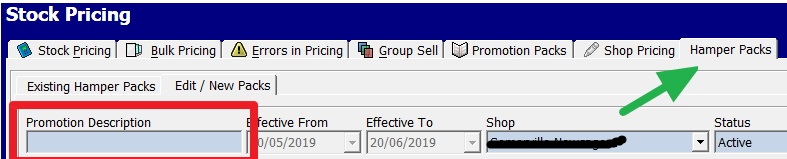
Entering into the computer the info

It would be best to control your hampers to get sales and stock control by putting them into your POS Software.

In stock pricing, you will find this under hamper packs. See the green arrow.

Hamper description

The same idea applies to syndicates.

Final Thoughts

An excellent hamper pack name should resonate with your target audience, be easy to remember, and align with your brand's overall image and values. By following these principles and exploring various options, you can find the perfect name that captivates customers, boosts sales, and sets your business apart.

Remember, simplicity and clarity are essential to effective hamper pack naming. Strike the right balance between creativity and understanding, and you'll be well on your way to crafting memorable and impactful names that elevate your brand and drive customer engagement.

Comments

Excellent article! These hamper pack names seem great.

Add new comment

Restricted HTML

  • Allowed HTML tags: <a href hreflang> <em> <strong> <cite> <blockquote cite> <code> <ul type> <ol start type> <li> <dl> <dt> <dd> <h2 id> <h3 id> <h4 id> <h5 id> <h6 id>
  • Lines and paragraphs break automatically.
  • Web page addresses and email addresses turn into links automatically.
CAPTCHA This question is for testing whether or not you are a human visitor and to prevent automated spam submissions. Image CAPTCHA
Enter the characters shown in the image.

Unlock the Power of Product Knowledge

POS SOFTWARE

bugs bunny helps a happy customer

In today's retail, product knowledge can make or break a customer's experience. Imagine taking walks into a store, uncertain of what you want, and locating a salesperson who understands the goods inside out and takes the time to signify options and provide personalized pointers. This degree of provider can transform a casual vacationer into a faithful consumer. You are no longer a product shop but a destination spot.

The Importance of Knowledgeable Staff

Let's take a page from what I have seen at Bunnings. I have walked into Bunnings with a vague idea of what I need. Once inside, I always find a helpful former tradesperson, now a salesman, who can guide me to the right product. I find this invaluable. Why do I go to Bunnings? It is not just their large stock holding but their knowledgeable staff.

If your retail staff is well-trained and deeply familiar with your products and services, this knowledge empowers them to assist customers effectively, just like the tradesperson at Bunnings.

Having alternate products in your POS System can help. A simple stock search in your system can show similar stock products in your shop with stock quantities.

Critical Benefits of Knowledgeable Staff:

  • Enhanced Customer Experience: Customers feel valued and understood, fostering trust and building lasting relationships.
  • Improved Sales: Staff can suggest additional products, alternatives, or complementary items, increasing average order value.
  • Customer Loyalty: Excellent service and valuable insights encourage repeat business and positive word-of-mouth.

Active Listening

Another critical skill is active listening. Encourage your staff to actively listen to customers and ask questions to clarify their needs. This will help the customer and make them feel heard and appreciated.

Active Listening:

  1. Maintain Eye Contact: Show that you are focused on the customer and engaged in the conversation.
  2. Ask Clarifying Questions: Ensure you understand their needs fully by asking follow-up questions for clarification.
  3. Paraphrase: Repeat what the customer said in your own words to confirm your understanding.

Personalized Recommendations: A Touch of Magic

Train your staff to provide personalized recommendations. By understanding customers' preferences, needs, and shopping history, your team can suggest products tailored to each individual. This personal touch can significantly enhance the shopping experience and make customers feel truly valued.

Give Personalized Recommendations:

  • Know Your Products: Know all available options, including features, benefits, and use cases.
  • Understand Your Customers: Use previous interactions, purchase history, and any provided information. Information gained from one customer can be helpful with the next.
  • Be Empathetic: Show genuine interest in helping the customer find the best solution for their unique needs.

Customer Feedback

Encourage your customers to provide feedback. You will not learn if you do not ask. When I complained that his cold tablets had been useless since then, my pharmacist always asked me to come back and tell him how the product he recommended worked. It certainly gives me a reason to come back.

Using Customer Feedback Effectively:

  • Listen and Act: Carefully review feedback and implement changes or improvements based on customer suggestions.
  • Share Success Stories: Highlight positive reviews and customer testimonials in-store and online to showcase your commitment to customer satisfaction.
  • Engage with Customers: Thank customers for their feedback, inform them of any changes made based on their input, and continue to solicit their opinions.

Real-Life Experience: Learning from the Best

Reflecting on my grandfather's shop, I remember picking up many sales by suggesting related magazines and books even if we didn't have the specific item a customer wanted. I knew my books. This approach not only helped in making sales but also in building a solid rapport with customers. As customers, we sometimes don't see what products exist or what alternatives are available. That's why we need knowledgeable retail salespeople who can guide us and provide valuable insights.

Conclusion

Investing in product knowledge and training your staff can significantly elevate your retail business. Ensuring your team is well-informed, actively listens, provides demonstrations, and offers personalised recommendations creates a shopping experience that keeps customers returning. Embrace the power of product knowledge, and watch your retail business thrive!

Add new comment

Restricted HTML

  • Allowed HTML tags: <a href hreflang> <em> <strong> <cite> <blockquote cite> <code> <ul type> <ol start type> <li> <dl> <dt> <dd> <h2 id> <h3 id> <h4 id> <h5 id> <h6 id>
  • Lines and paragraphs break automatically.
  • Web page addresses and email addresses turn into links automatically.
CAPTCHA This question is for testing whether or not you are a human visitor and to prevent automated spam submissions. Image CAPTCHA
Enter the characters shown in the image.

How to do a Price Increase in Your Retail Business

POS SOFTWARE

Calculating price rise


This is risky, and be cautious. Price rises are signals to people to drop you.

People leap after they see a fee rise. However, the fact is that during the business, there can also come a time when you want to elevate your fees. A price increase is often required to maintain profitability and your operations, whether due to inflation, multiplied provider costs, or a strategic shift for your commercial enterprise version. Here are a few ideas that will help you do it.

Understand the Reasons for a Price Increase

Before diving into the method, it's essential to understand the different factors that may necessitate a price adjustment. Here are a few common motives why groups choose a charge increase:

Rising Costs: If your providers have raised their costs or are facing extended operational charges, such as rent or utilities, price growth can be necessary to maintain your earnings margins.

Inflation: As the price of goods and services rises due to inflation, you could want to alter your costs to keep up with the changing economic climate.

Product Enhancements: Perhaps you're transferring your commercial enterprise closer to a more premium market section. A consumer decided to drop many cheap motorcycles and focus on more expensive bikes. With this technique, he lost all his clients.

Conduct Market Research

Before imposing a price rise alternate, it is vital to apprehend your competitive landscape and client perceptions. Consider the subsequent study steps:

Analyse Competitor Pricing:

Examine the prices of similar services or products your competitors provide. This will help you gauge the marketplace fee and ensure your new costs remain competitive.

Survey Your Customers: 

Gather feedback from your customers. This will offer insights into their willingness to pay more for your offerings and assist you in expecting capacity reactions to a growth rate.

Review Historical Data: 

Analyze your sales statistics and purchaser behaviour from preceding fee adjustments. This can help you identify patterns and predict the ability impact of the approaching rate exchange. In your POS System call up the product and see the effect of price increase on these prodycts.

Prepare a Plan B:

Consider what to do if your clients reject the new rate upward push too strongly. 

Develop a Pricing Strategy

Once you have accumulated the critical information, expanding a properly-idea-out pricing approach is time. Consider the subsequent methods:

Gradual Increase:

Instead of enforcing an extensive charge hike, you could choose a more minor, incremental increase over time. This technique may be much less jarring in your customers and extra handy for them to adapt. It works nicely if only a few items pass up at a time.

Bundle Offerings:

Remember to bundle complementary products or services at a reduced fee rather than increasing the rate of personal objects. This approach can lower your clients' perceived price while growing overall sales.

Communicate

 There are two views here. 

Option 1: Provide notice

This allows your clients to regulate their budgets and expectations. It also demonstrates transparency and builds acceptance as true among your consumer base. Explaining the reason behind the charge boom is allowed, but it gives your clients time to consider alternatives. In my experience, most customers do not pay much interest until it happens.

One massive plus is that it can set off a few customers to buy before the rate increases, quickly impacting your revenue. This is why so many humans do it.

Option 2: Provide no warning

This permits you to implement the trade swiftly without a prolonged notification period, but it risks unexpected or alienating customers who feel blindsided during the exchange. If not treated cautiously, it could damage purchaser trust and loyalty. It also leaves less time for customers to alter their budgets or expectations.

Whatever approach you take, it's important to explain the motives behind the charge boom simply and transparently. Highlight the cost and blessings your products or services offer your clients, and remember to offer loyalty rewards or reductions to your current customer base as a gesture of appreciation for their patronage.

Monitor and Adapt

After enforcing the price change, closely monitoring the impact on your income and consumer pride is critical. Be prepared to make modifications if necessary:

Analyze Sales Data:

Track and compare your sales figures to pre-growth ranges. You can also reevaluate your pricing method if you note a sizable decline.

Gather Customer Feedback:

Encourage your clients to provide remarks at the price trade through surveys, social media, or in-man or woman conversations. This treasured input will let you perceive regions for development and make essential adjustments.

Remain Flexible:

If your initial pricing approach is not yielding the preferred results, be open to adjusting it. Based on the information you have gathered and client remarks, adapt and refine your technique.

Implementing an increase can be delicate, but you can navigate this transition efficiently with cautious planning, effective communication, and a patron-centric technique. Remember, a nicely completed charge growth can enhance your profitability and strengthen the perceived price of your services in your clients' minds.

Add new comment

Restricted HTML

  • Allowed HTML tags: <a href hreflang> <em> <strong> <cite> <blockquote cite> <code> <ul type> <ol start type> <li> <dl> <dt> <dd> <h2 id> <h3 id> <h4 id> <h5 id> <h6 id>
  • Lines and paragraphs break automatically.
  • Web page addresses and email addresses turn into links automatically.
CAPTCHA This question is for testing whether or not you are a human visitor and to prevent automated spam submissions. Image CAPTCHA
Enter the characters shown in the image.

Celebrate Your Shop's Birthday:

POS SOFTWARE

Celebrate Your Shop's Birthday

This is a simple, fresh idea to implement that works as we are always on the hunt for ways to excite our customers and drive sales. Well, have you considered celebrating your shop's birthday? This unique occasion presents a fantastic opportunity to transform your store into a festive extravaganza! Large brands do, so why not you?

  • Stand Out from the Crowd: Unlike conventional holiday sales like Mother's Day, a shop birthday sale sets you apart. This unique approach gives you a novelty factor that grabs customer attention.
  • Low Competition: No other shop will celebrate your shop's birthday sale, giving you a distinct advantage and avoiding competition from run-of-the-mill holiday sales. Mother's Day, for example, is an excellent marketing day, but everyone has Mother's Day sales. Only you have your shop birthday sale. 
  • Easy to set up: You do not need any data, just a few signs and balloons.

First tip: Do not celebrate a day. Make it a month's celebration. - If it works for one day, why stop for one day?

Do this, and you'll create a buzz, foster customer loyalty, and boost your sales seriously.

The Novelty Factor

One of the biggest draws of a shop's birthday sale is its novelty. Unlike typical holiday promotions, a birthday bash offers the traditional sales event an exciting spin. It immediately captures attention and sets you apart from competitors. Customers recognise birthdays as legitimate reasons to celebrate, so they're far more receptive to the fantastic offers you'll be dishing out.

Flexibility Galore with a Full Month of Fun

Your sales options are limited to a single day or week. But stretch that to a month-long fiesta, and you have flexibility in spades! You can switch up the weekly promotions, keeping things fresh and enticing customers to return for more. One week, offer a special deal on slash prices on one product. Next, offer a gift with a purchase over a certain amount. The possibilities are endless when you've got an entire month to play with!

Remember, it starts with a big promotion and then ends with a grand finale bang to get the last big shot at it.

Make it a Party! Creative Ideas for Epic Celebrations

What's a birthday without balloons, banners and big festive fun? To make your sale sizzle:

There are many creative ways to ensure your shop's big celebration is one customers won't forget!

How Your POS Provides a Serious Assist

Want some ideas for what you can use as giveaways that cost you very little? Look at your slow and dead stock.

Both cost you money, take up cash flow, and take up space that should have stock that sells better.

To identify such products, go to register reports > stock titled "Old Stock on hand by Date last received."

Old stock report

I tend to do it in two parts. First, I check the overall problem in the shop to see the scale of the problem. Then, I go by the department in detail, as its people find it better to examine this way.

This gives you a stock listing based on when you received it. This stock rarely does you much good. As I stated, it costs you to keep it.

Now, once you have identified it, what will you do about it, why not use them as specials for your shop's birthday sale.

Time to Start Planning Your Store's Biggest Celebration!

With the power to boost sales, strengthen loyalty, and set your shop apart, a month-long birthday extravaganza is a no-brainer for entrepreneurial small retailers. By leveraging your POS, channelling creativity into festive promos, and giving customers what they want, you'll have all the ingredients for an epic bash! So start brainstorming killer deals, rally the troops, and prepare to make your store's big day one for the books.

Add new comment

Restricted HTML

  • Allowed HTML tags: <a href hreflang> <em> <strong> <cite> <blockquote cite> <code> <ul type> <ol start type> <li> <dl> <dt> <dd> <h2 id> <h3 id> <h4 id> <h5 id> <h6 id>
  • Lines and paragraphs break automatically.
  • Web page addresses and email addresses turn into links automatically.
CAPTCHA This question is for testing whether or not you are a human visitor and to prevent automated spam submissions. Image CAPTCHA
Enter the characters shown in the image.

Prepare for Mother's Day Sales with Your POS System

POS SOFTWARE

Mother's Day 2024
Mother's Day is an excellent opportunity for retailers. It is now the third-largest retail season of the year!

Australians are expected to spend $995 million on Mother's Day this year, up 7.5% from the previous year, which also set a record. We can anticipate fewer customers overall due to the current cost-of-living pressure, but those who do plan to buy will be spending more, as the projected gift purchase is set to jump from $92 to $102 per person.

People will buy candles, books, clothes, personalized items, etc.

Here's How to Use Your POS System for Mother's Day Success:

Prioritize Convenience & Inspiration

25% of Mother's Day shoppers cite convenience as their top priority when selecting gifts. Many are short on time and looking for ready-to-go options and ideas. Cater to these needs with:

  • Dedicated Mother's Day Display: Create an eye-catching, centralized display showcasing your giftable Mother's Day merchandise. Clear signage guides hurried shoppers straight to this "grab-and-go" section.

  • Pre-Bundled Gift Sets: Offer assembled gift sets (e.g. a plush robe with slippers and a candle) to reduce decision fatigue for stressed shoppers. This also increases the average order value.

  • Diverse Gift Options: While many buy for their mothers, around 19% gift maternal figures like partners, friends, in-laws, grandmothers, sisters, or daughters. Ensure a wide assortment to serve all customers.
Data-Driven Product Assortment

Let your POS data guide your product selections and purchase quantities by analyzing what historically sold well for Mother's Day:

  1. Access Historical Sales Reports: Look for "Top N Stock Sales for a Given Period" or a similar report in your POS backend.

Go to Register reports.

Now pick "Top N Stock Sales for a Given Period."

In the form, put the date a late year for now to Sunday, 14 May 2023. These are the items that worked for you then. Hopefully, you have them now.

Check Pre-Pandemic Sales: Generate this report for the week leading up to Mother's Day 2019 to understand pre-COVID buying patterns.

Find the Sales Sweet Spot: This year's sales will likely blend 2019 and 2023 patterns. 

Stock accordingly while leaving buffer room for demand fluctuations. Make data-driven purchases to ensure you have the right gift assortment and volumes.

Maximize Your Promotions & Operations

Even with its short sales cycle, Mother's Day can significantly impact your bottom line if well-executed. Prepare with these strategies:

  • Promote Early & Often: A simple sign on the window can do wonders in practice.

  • Highlight This Year's Gift Trends: People tell me that recipe books are expected to be good sellers.

  • Offer Gift Services: Consider simple add-ons like gift wrapping, which saves customers time and increases your transaction value.

  • Staff Appropriately: Schedule enough sales staff. Use your traffic reports, as this will tell you how busy you were last year. 

Please go to Traffic analysis, which you will find in register reports > Sales.


Now, here, select "Traffic Analysis by Trading Hour."
 

Put in here the week before that includes Mother's Day

Now out pops a chart, which shows by customers how busy the shop was per day. This will tell you how busy the till operators were with colour coding.


By combining strategic planning, operational readiness, and leveraging your POS data, you can deliver outstanding service while capturing maximum Mother's Day profits.

The Payoff of Prioritizing Mother's Day

Mother's Day is not only a chance to delight your customers and honour maternal figures. It's also an enormous money-making opportunity for retailers willing to put in the work.

With some upfront analysis of your POS data, an assortment of giftable products tailored to trends, convenient shopping experiences, and well-promoted offerings, you can transform this spring occasion into a massive revenue windfall.

So start preparing your business for Mother's Day! 

Add new comment

Restricted HTML

  • Allowed HTML tags: <a href hreflang> <em> <strong> <cite> <blockquote cite> <code> <ul type> <ol start type> <li> <dl> <dt> <dd> <h2 id> <h3 id> <h4 id> <h5 id> <h6 id>
  • Lines and paragraphs break automatically.
  • Web page addresses and email addresses turn into links automatically.
CAPTCHA This question is for testing whether or not you are a human visitor and to prevent automated spam submissions. Image CAPTCHA
Enter the characters shown in the image.

Boost Sales with Digital Signage

POS SOFTWARE

A shop window with a TV at night showcasing its goods

In the ever-evolving retail landscape, businesses need every edge to stand out, connect with customers, and boost their bottom line. Digital signage is a key to unlocking a new level of in-store engagement, adaptability, and brand impact that static signs can't compete.

Dazzle Customers and Drive Engagement

People today are trained to look at screens. If we see a screen, we look. This is partly why digital signage makes your business shine. Also, the vibrant colours, captivating animations, and immersive videos help. This draws customers in and leaves a lasting impression.

Setting Up Your Digital Signage: What You'll Need

While digital signage offers benefits, let's break down the key steps:

  • Look at what others are doing:  The best way to get ideas is to go to other shops, look at the signs, and see what digital signs you like there. If you like it, I am sure others will too.
  • Measure out the area in your shop: Try to get an idea of the size that suits your space.
  • Screens: This is the centrepiece of your setup! If you have an old TV at home or a spare computer screen, consider using that. Otherwise, you can get a relatively cheap screen or digital photo framer. A digital photo framer starts at about $85.
  • Computer or USB: Some screens need a computer to run, while others, such as a digital photo framer, can use a USB stick. 
  • Slideshow Maker: This is the heart of your signage system. Look for some user-friendly software that lets you create media content. I am not recommending one now, as the only one I know is Proshow, and it's off the market. If you use a professional photographer, you do not need this.
  • Mounting and Installation: Consider professional installation for a polished look and safe, secure screen placement.
  • Picture of your shop and goods: A good smartphone today can do this. You can take many photos and permanently delete the bad ones. You are not going to complain if you have too many images. For a five-minute presentation, you need about 40 images.  For information how to do this click here.
  • Some time: On the first few, it does take some time to learn, but after that, it is really quick.

Advantages of doing it yourself

You can change to fit your retail trends, sales, weather, etc. Everything can influence what messages your customers need. You can update your displays based on your latest products, promotions, and seasonal content or even react to the news. This gives you both adaptability and keeps your store's message dynamic and relevant.

Your Brand, your control

You control the message. The screen sells your products.

It works Day and Night selling your products and services

You can put a screen in the window and it can market your goods and services 24x7.

Gaining a Competitive Edge

In a crowded marketplace, digital signage advertises your shop. Its dynamic nature and ability to wow customers give you a serious advantage over traditional, static displays. People looking at your window will take a few seconds to look at a static sign and much longer looking at a dgital one.


The Time is Now

Keep your company from falling behind! Digital signage is the way of the future, not a fad. You may modernise your business, provide customers with a shopping experience, and make more sales by utilising this technology.

Add new comment

Restricted HTML

  • Allowed HTML tags: <a href hreflang> <em> <strong> <cite> <blockquote cite> <code> <ul type> <ol start type> <li> <dl> <dt> <dd> <h2 id> <h3 id> <h4 id> <h5 id> <h6 id>
  • Lines and paragraphs break automatically.
  • Web page addresses and email addresses turn into links automatically.
CAPTCHA This question is for testing whether or not you are a human visitor and to prevent automated spam submissions. Image CAPTCHA
Enter the characters shown in the image.

Retailers can sell more by active Cross-Selling

POS SOFTWARE

If you run a shop, one of the best ways to make more sales is by mastering cross-selling, which suggests extra related items to your customer's purchase. Doing this can help you make each sale worth more.


Shopper in a shopping centre

I can assure you that this woman above did not come to this centre knowing what she would buy in all these bags.


Why Suggesting Extra Items Works Well

Suggesting extra, related items to customers as they buy or browse can help because it:

Makes Shopping Better: When you suggest items that fit your customer's needs or likes, you show you understand them. 
Raises Sale Value: Customers buying more items means each sale brings in more money, which is great for your shop.
Keeps Customers Coming Back: Offering a shopping experience that feels special and tailored just for the customer makes them want to return to your store, building loyalty.

Digging Into the Good Stuff About Suggesting Extras

Suggesting extras can do wonders, but let’s look at some real examples of how it helps small shops:

More Money Made: Research shows that shops selling extra items can see a big jump in sales. 
More Profit: Suggesting items with higher profit margins as extras can mean more money in the bank. Most profit is made not on the items that the customer came on, but the add-on sales.
 

How to Be Great at Suggesting Extras

Use Your POS System

Go to Cash Register Reports > Sales Register > Stock Companion Sales by Period. See the green arrow below.

Choose a stock item, add its past year's data, and receive a full report on earnings, sales, and more.

This report will give you details on how much money the item made, how many were sold, and additional information. With this information, you can determine whether an item that sells slowly and doesn't bring in much money by itself draws in customers who then buy other items that make more money.

Pick Best Pairs: Find what items are often bought together and suggest these combos to customers.
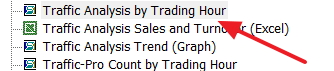
Keep Getting Better: Always check how well your selling tactics work and tweak them based on what the numbers tell you.
 

Train Your Team

Your staff plays a big part in successful extra selling. Make sure they are:

Well-trained: Teach your team to ask for a related item, e.g. they brought a kid's game. Do they need a card?

Know Your Products Well: Help your team learn all about what you sell so they can suggest items that go well together.
 

Build People Skills: Teach your staff to really listen and talk in a way that feels real and helpful, making shopping fun for customers.
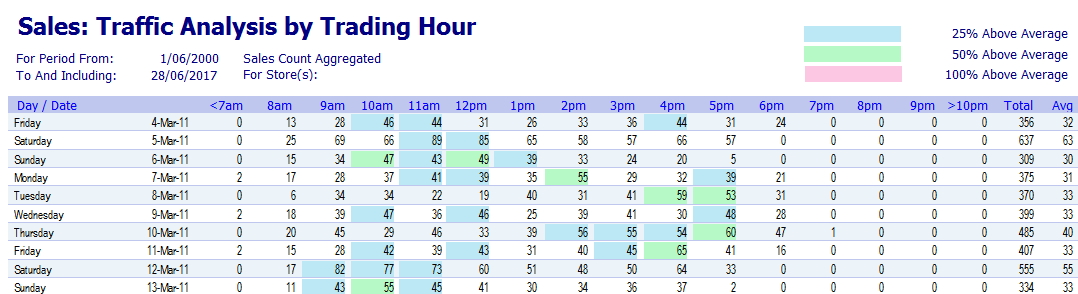
 

Know What Buyers Like: Understand what your shoppers prefer and use it to make your suggestions feel personal.

Easy Ways to Do It:

Scripts: Work out some lines that work with your customers to get them to consider other products and services you offer.
Lists: This works well. Make a list of your shop's top sellers and display it prominently; people will look at the products after seeing this list.

Make Your Shop Inviting

The way your shop looks and feels can help sell more, too. Try these ideas:

Put Things Together: Place items that go well together in the same spot so buyers can spot and grab them.
Make Displays Pop: Use eye-catching setups to draw attention to items that go together, nudging folks to buy more.
Signs and Tags: Clear signs can highlight special deals and suggest items that add value to their buy.
 

By using these ways to sell more, you will increase sales for your small shop, improve customer shopping, and turn them into loyal fans.

Add new comment

Restricted HTML

  • Allowed HTML tags: <a href hreflang> <em> <strong> <cite> <blockquote cite> <code> <ul type> <ol start type> <li> <dl> <dt> <dd> <h2 id> <h3 id> <h4 id> <h5 id> <h6 id>
  • Lines and paragraphs break automatically.
  • Web page addresses and email addresses turn into links automatically.
CAPTCHA This question is for testing whether or not you are a human visitor and to prevent automated spam submissions. Image CAPTCHA
Enter the characters shown in the image.

How Taylor Swift Concerts Rocked Retail Sales

POS SOFTWARE

The eras tour

How Taylor Swift Concerts Rocked Retail Sales: Over 600,00 fans going to see her sent up retail sales alright! It turns out these "Swifties" (that's what her fans call themselves) bought big.

What does this mean for you?

It is said, " The best preparation for good work tomorrow is to do good work today." – Elbert Hubbard.

As this case shows, in the bustling world of retail, retail fervour unfolds if you are prepared and able to capitalise on it in some way.

There was plenty to capitalise on as Ben Dorber, Australia Bureau of Statistics head of retail statistics, highlights out here in their Feb 2024 report that while he was looking at the figures, "Seven sold-out Taylor Swift concerts in Sydney and Melbourne boosted retail spending this month, with over 600,000 Swifties flocking to these events. This increased spending on clothing, merchandise, accessories and dining out", a national increase of 0.2%.

So, as a retailer, here's the deal:

  • Plan Ahead: Check calendars for big concerts, sporting matches, and festivals that will get wide media attention. 
  • Get Creative: Tap into the excitement of those events. Offer event-themed merchandise or promotions that capture the excitement.

A Real-World Win 

I read how one clothing boutique near a concert venue offered "Swiftie Style" t-shirts and discounts for anyone showing a concert ticket. The result, their sales did well.

The Big Takeaway

Even if your business isn't a direct match with the event, don't miss the opportunity! The right planning and creativity can help boost your sales when a big event is staged. Remember, even a slight increase in sales or getting your shop's name in front of new customers can have a lasting positive impact on your business!

Add new comment

Restricted HTML

  • Allowed HTML tags: <a href hreflang> <em> <strong> <cite> <blockquote cite> <code> <ul type> <ol start type> <li> <dl> <dt> <dd> <h2 id> <h3 id> <h4 id> <h5 id> <h6 id>
  • Lines and paragraphs break automatically.
  • Web page addresses and email addresses turn into links automatically.
CAPTCHA This question is for testing whether or not you are a human visitor and to prevent automated spam submissions. Image CAPTCHA
Enter the characters shown in the image.