
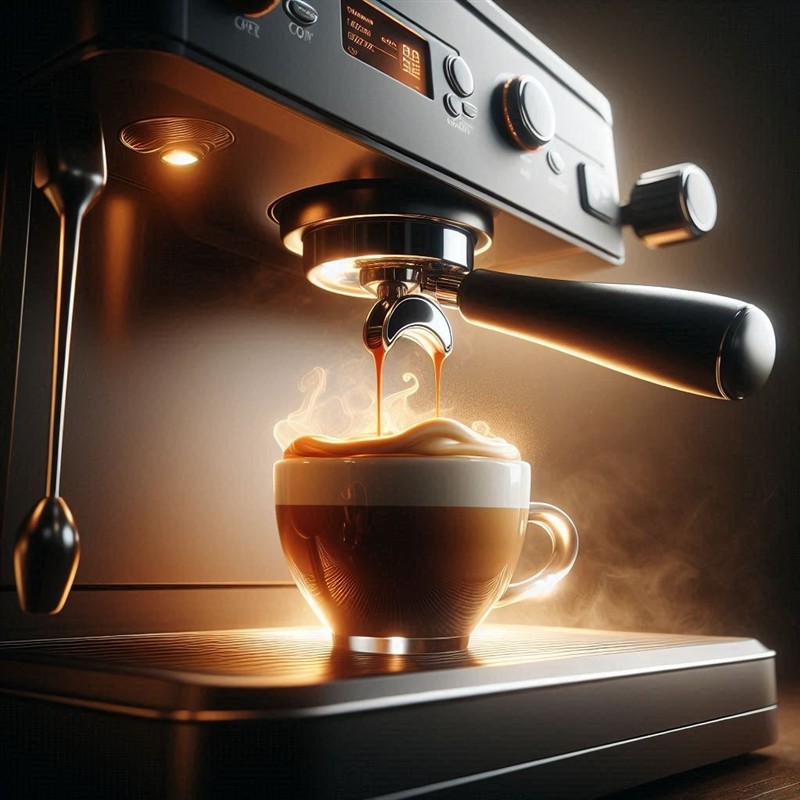
Cafe owners nationwide are pushing prices to $7 a cup for newsagency coffee, claiming $5–$5.50 leaves them unable to survive. Customers hate it, and many simply won't pay. For Australian newsagencies, convenience stores, and boutiques, this backlash creates a massive opportunity. You can capture frustrated caffeine seekers, boost foot traffic, and lift impulse sales on magazines, gifts, books, cards, and stationery, as they do not have the crippling cafe overheads, which are killing them. This practical guide explains the cafe crunch, why retailers might win big, and delivers a 6-step checklist to launch a profitable coffee department that complements your business.
The Cafe Cost Reality
Overall, Australia's $3.5–4B coffee market rivals the books market ($3–5B) and dwarfs the newspapers market ($2.9B).
Yet Australian cafes today face severe economic conditions in 2026.
Labour now accounts for about 35–45% of every revenue dollar. What hurts is the weekend/public holiday penalties.
Rent/utilities take 20–25%.
Ingredients cost 20–30%
The $200k–$500k setups incur $0.30–$0.80 in depreciation per cup.
Raw flat white ingredients run ~$0.90 (beans/milk),
Full costs hit $4–$6.60
Break-Even Pressures
At $5.50 per cup, it's insufficient to cover 300–400 cups per day. They are looking at $6.50+ to survive.
The problem is that many will walk away from $7.
Why Retailers should look at this.
You skip cafe killers: no massive fit-outs, no barista wages, no seating headaches, and this position you perfectly to capture $ 7 shock shoppers, funnelling people your way for value.
The Winning Traffic Shift:
-
Pre-$7: Shoppers linger at cafes, some spilling to your shop.
-
Your Win: Capture an estimated 25% shift; 20–50 cups/day at $4 yields $15k–$38k extra profit yearly (70% margins).
High street newsagencies near bus stops and railway stations are in the perfect position.
Your 6-Step Launch Checklist
Skip supplier hype. I've seen retailers thrive (and crash) on these.
1. Permissions: Can You Add Coffee Legally?
Centre leases or council rules often block food additions. Check first.
-
Action: Email: "Low-volume coffee machine as counter add-on, no seating, minimal waste."
-
Reality: 1–2 sqm + 10–15amp power.
2. Price Smart: Scout Competition
Checkout the prices and availability in your area. What you are looking for is whether a $4 coffee is viable.
3. Machine Reality
Skip pods, Aussies want proper coffee.
Check which machines are available to you. I would suggest going into a partnership with a coffee supplier. Make sure you have an exit path, even if it costs slightly more. Most coffee machine suppliers offer a trial period; make sure you take advantage of it.
4. Operations Truth
What I suggest you look at is 2 to 6 cups per hour.
Your staff will need about 30 minutes to operate the coffee machine.
Daily setup is about 5-minutes
Probably another 10 minutes for cleaning.
Waste disposal takes another 10 minutes.
5. Quality Test
For some unknown reason, coffee made with the same ingredients can taste different; you need to monitor the taste.
6. Maintenance
Please review the maintenance terms for the machine carefully. It's the biggest problem most of my customers with such machines tell me: the machine has been out for ages. Ask whether they provide replacement machines while yours is being repaired.These machines break down a lot.
Loyalty Boosts: Your Profit Multiplier
Loyalty Hack: The coffee costs $2, but customers perceive it as worth $4–$7. That is a powerful combination.
Coffee bundles can build loyalty, such as
-
Family: coffee and a magazine
-
Gift: Coffee + greeting card ($4.50).
-
Reading: For newsagencies say $7 for a coffee and 30 minutes free browsing of magazines. Why not let them browse for free if they buy coffee? They may actually buy a magazine too at the end.
Monitor your coffee sales
As with everything, monitor your coffee sales in your POS System. You need hard facts!