
Point of Sale Software

Here are some Articles from the Blog Subject - Product diversification -

Chasing the Wrong Market in Retail
POS SOFTWARE

New product launch


In retail, sales often slip away because retailers are targeting the wrong crowd. They do research, stand behind your products, but nothing shifts. It’s frustrating and confusing. Sometimes, though, it's not about the shop, the prices, or even the promos. The issue might be that they're trying to fill a need for folks who aren't coming or not prepared to buy those products from them.

A Real-World Example

I remember helping out a guy who loved board games. He stocked his shop with a solid selection, popular ones selling well. He did the research, which checked out; prices were good, and the display looked sharp. Still, those games did not sell.

He was stumped, of course. "How can I move more of this?" he said. He figured a tweak to the signs and a slight price cut would do it. But it became clear: the shoppers in his store weren't into buying these games, and the ones who did buy them didn't wander in. Worse, some of those game fans were already his regulars for other things, but they did not buy it from him. The real snag wasn't how to sell them. It was whether he should bother stocking them there at all.

Sticking to the Wrong Ideas

When things slow down, retailers naturally start poking at fixes. You end up asking stuff like:

  • How can I push my products harder?
  • Would dropping prices help me compete?
  • Is my lineup off somehow?

These are thoughtful questions because they're action-oriented and suggest you're just one adjustment away from turning it around. That's the pitfall. You keep fiddling with bits and pieces, chasing a win that doesn't show. But these questions miss the point by assuming these products are for you.

The Question That Matters

Better to flip it: Do the folks who want what I'm offering actually step into my place?

That's where the gap shows up for so many shops. It happens in a few ways.

Your items might fly off shelves elsewhere, but that does not mean they move here like they do at that store, where the demand existed but not the right crowd.

Or you've got traffic pouring by, but it's the mismatch kind; a packed sidewalk means nothing if they're not people for your stock.

Market research can trick you here. It shows something's overall hot, but doesn't indicate whether those buyers will hit your spot. That's where your point-of-sale setup shines. It uncovers the real story: how often people buy, what your top spenders grab, their typical haul, and what pairs up in carts.

The wake-up hits when that data shows that your main buyers don't align with the crowd you're after. That's the sign you've been off track.

Spotting the Disconnect

Before jumping in, ask yourself, What is the market for these items.

How do they get it now online, from rivals, across town?

Are they quick grabs or planners who seek it out?

Do these people want to buy these products from you? My daughter, for example, prefers to buy her cosmetics from a shop that specialises in these products.

Then, who's actually passing by or popping in?

Glance at the flow outside. Do they match your ideal buyers?

Are they there on purpose or just cruising through?

What draws them, daily errands, or something touristy?

The Big Lesson

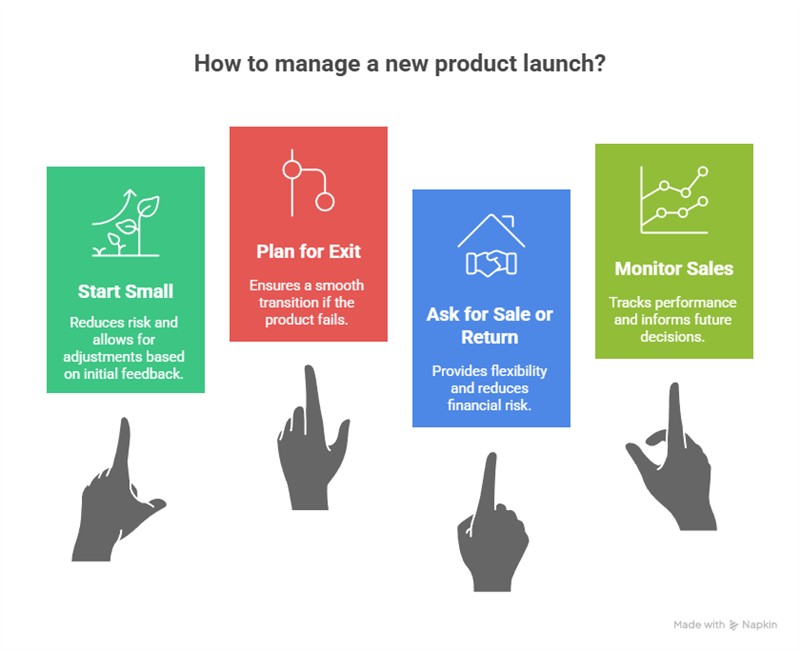
  • Start off small
  • Prepare in advance a plan to pull out of that product if it does not work
  • If possible ask for sale or return
  • Closely monitor your sales in your POS System.

The sad reality is that, in business today, we say only one in three products works. The odds are that what you pick will fail. You need new products, but you need to be ruthless: admit you made a mistake, you chased the wrong thing, you made a bad start, and rethink it all.

Before dumping more cash on promo, time on shelves, or worry, face this: Do the buyers for my stuff show up here? If so, better ads, cheaper tags. More sweat won't cut it; it's the wrong fight. Step away?

Written by:

Bernard Zimmermann


Bernard Zimmermann is the founding director of POS Solutions, a leading point-of-sale system company with 45 years of industry experience, now retired and seeking new opportunities. He consults with various organisations, from small businesses to large retailers and government institutions. Bernard is passionate about helping companies optimise their operations through innovative POS technology and enabling seamless customer experiences through effective software solutions.



Add new comment

Restricted HTML

  • Allowed HTML tags: <a href hreflang> <em> <strong> <cite> <blockquote cite> <code> <ul type> <ol start type> <li> <dl> <dt> <dd> <h2 id> <h3 id> <h4 id> <h5 id> <h6 id>
  • Lines and paragraphs break automatically.
  • Web page addresses and email addresses turn into links automatically.
CAPTCHA This question is for testing whether or not you are a human visitor and to prevent automated spam submissions. Image CAPTCHA
Enter the characters shown in the image.

Doing retail Product Line Expansion

POS SOFTWARE

Doing retail Product Line Expansion

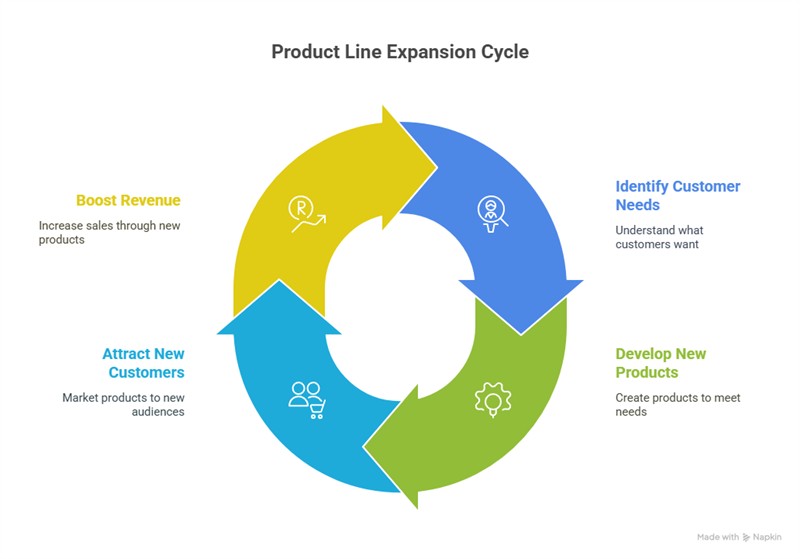
Product line expansion is a key growth strategy in retail. You have customers. What can you offer that will sell more to them? You want to attract new customers with new products. Successful implementation requires some intelligence, as we need to introduce new products thoughtfully to boost revenue.

Clothing

One new department that is doing well with my clients is clothing. It can be a profitable venture, with strong margins and consistent demand. Many find it offers an attractive opportunity to diversify their product range. Our studies show that clothing outperforms gift items in terms of profitability. Clothing is now experiencing significant growth.

Let us use it as an example of how to introduce a new line into your shop.

Clothing isn't simply about stocking random garments. It requires planning, so let's dive in.

Understanding Your Local Market

Defining Your Target Market

Successful clothing retail now depends on clearly understanding who you're selling to. Focus on specific customer segments that align with your local demographics.

Consider these key factors when defining your target market:

Age

Different age groups have distinct style preferences and shopping behaviours.

Gender

Will you focus on menswear, womenswear, or both?

Income level

This determines price sensitivity and expectations for quality

Lifestyle

Active, casual, professional, or fashion-forward

I find that making up a fictional persona helps. Let's say you identify three types of people and make them as detailed as possible to help you visualise them and identify their needs.

For instance,

  • Professional women aged 45 who value quality items and comfortable, modern-style clothes. She is willing to pay for durability and versatility. Call her Debby.
  • A retired 65-year-old male. Call him George. For him, clothes do not need to be fancy; they just need to be cheap.
  • A 21-year-old woman named Lisa works in the local shopping centre and spends a lot on clothes.

Now ask yourself what George, Debby or Lisa would buy in your shop.

When conducting your competitive analysis, focus on:

Product ranges

What types of clothing are they buying? What you are looking for are gaps in your area.

Price points

What price points do they have in your area?

Customer demographics

Who shops there? Observe age groups, style preferences, and spending patterns.

Store layout and displays

How do they present their merchandise? What seems to attract attention?

You are trying to look for weaknesses and gaps that you can fill. The gaps do not have to be big.

For example, winter is coming up. There seems not to be much catering to cheap winter hats. You can get very cheap polyester beanies from Kmart, but not much is available if people want something made of warm wool. Maybe look into your new line for beanies, baker boy caps, bucket hats, etc..

Identifying Multiple Market Segments

Consider targeting several complementary market segments rather than focusing on a single customer type. This approach provides more stability and growth potential for your business.

Aim to identify at least three potential market ideas:

For each potential market, assess:

  • Size of the potential market
  • The commitment you need.
  • Competition
  • Alignment with your business values and capabilities

After identifying these segments, you can evaluate which offer the best opportunities and gradually narrow your focus to the most promising markets.

Finding Your Niche

Creating a Specialised Offering

The key to standing out in retail is specialisation. Rather than competing directly with department stores or chain retailers on everyday items, focus on developing a unique niche that addresses specific customer needs. A well-defined niche helps customers understand what makes your clothing selection special and gives them a reason to choose your store over alternatives.

Seasonal Strategy Example: Winter Headwear

Your example of winter headwear illustrates an innovative seasonal approach. As you noted, winter brings predictable demand for warm accessories, creating a natural opportunity to introduce a focused clothing category.

When implementing this strategy:

Start with variety

Offer different styles (beanies, newsboy caps, berets) to determine what resonates with your customers.

Quality

Select a price point; do not be afraid to be expensive. In my experience, the top and bottom are very hard to get into.

Consider timing

It is probably too late for seasonal items like winter wear, as winter is almost here.

Suppliers

Finding reliable suppliers is crucial for retail success. Clothing platforms like AliExpress can be good starting points for sourcing products. I suspect many majors, like Kmart, use them a lot. You can, too.

Supplier reliability

Check reviews, what do people say about their communication responsiveness

Product quality

I think you will do better with mid-range quality

Marketing support

It would help if they had some display materials

Delivery timelines

Very important, when can you get the goods? You must ensure sufficient lead time.

Minimum order quantities

This is often a problem when getting excellent prices. You need enormous quantities, but you don't initially want these. Make them an offer, say for 10. They can only say no. We have all heard that before in business, so I doubt it will hurt that NO.

Effective Merchandising Strategies

Creating Compelling Displays

How you display significantly impacts sales. Effective merchandising creates visual interest and helps customers envision how items look when worn.

Dedicating Proper Space

When introducing the products to your retail business, allocate sufficient space to create an impact. A few scattered items won't generate excitement.

Leveraging Social Media

If you sell products like clothing, you should be on social media. You need

  • High-quality product photography that the supplier can give you.
  • Give yourself a local presence, with pictures of you wearing these clothes.
  • Share new arrivals as they come in
  • Highlight real customers wearing your products

Ongoing Management

The sad fact is that most experiments fail. No matter how much you plan, you will have failure. You do not want to end up tying up capital in slow-moving stock.

Implement these inventory best practices:

  • Use your point-of-sale report to update your sales figures
  • Which items sell quickly at full price?
  • What feedback do shoppers provide?
  • Why are items brought back? What sort of problems do you have?
  • Ruthless culling of products that do not work.

Use this information to refine your product selection, adjust pricing strategies, and optimise your merchandising approach.

Conclusion

With careful planning and consistent execution, you can drive sales into your retail business.


Written by:

Bernard Zimmermann


Bernard Zimmermann is the founding director at POS Solutions, a leading point-of-sale system company with 45 years of industry experience. He consults to various organisations, from small businesses to large retailers and government institutions. Bernard is passionate about helping companies optimise their operations through innovative POS technology and enabling seamless customer experiences through effective software solutions.

 

Add new comment

Restricted HTML

  • Allowed HTML tags: <a href hreflang> <em> <strong> <cite> <blockquote cite> <code> <ul type> <ol start type> <li> <dl> <dt> <dd> <h2 id> <h3 id> <h4 id> <h5 id> <h6 id>
  • Lines and paragraphs break automatically.
  • Web page addresses and email addresses turn into links automatically.
CAPTCHA This question is for testing whether or not you are a human visitor and to prevent automated spam submissions. Image CAPTCHA
Enter the characters shown in the image.