
Point of Sale Software

Here are some Articles from the Blog Subject - Email marketing -

How to Build a Retail Loyalty Programme That Actually Works
POS SOFTWARE

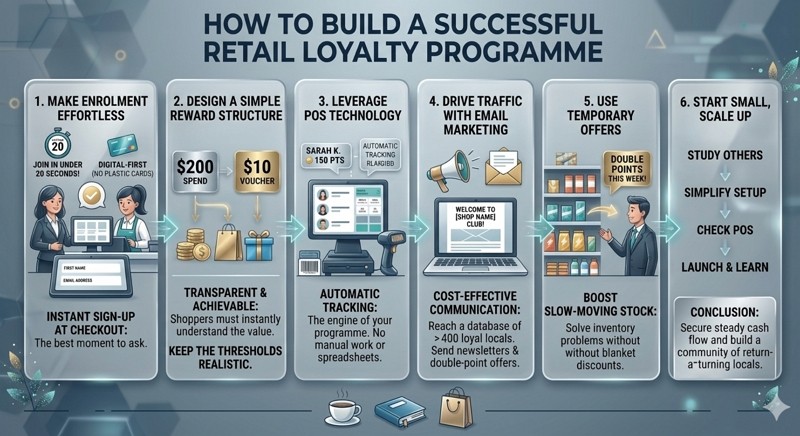
Retail Loyalty Programme
Running a shop means you probably know your regulars by name. But knowing who walks through the door isn't the same as getting them to return. You need to bring those regulars back.

This article explains a retail loyalty programme that runs smoothly, gets repeat purchases, and costs nothing to start.

Key Takeaways

  • A retail loyalty programme works best when local customers can join in seconds at the checkout.
  • Digital-first setups eliminate the cost of printing and tracking plastic cards.
  • Simple reward structures ensure shoppers see immediate value and stay engaged.
  • Email marketing delivers the most cost-effective return for reaching a tight-knit database of 400 loyal locals.
  • Clear programme rules protect your profit margins by removing the need for desperate, shop-wide blanket discounts.

What Is a Retail Loyalty Programme?

A retail loyalty programme is a customer retention tool that rewards repeat customers with points, store credit, or perks, encouraging continued spending. For example, a shop might give a $10 voucher after a customer spends $200.

Joining should be fast. Aim for under twenty seconds — ask only for a first name and email address. Skip the home address, skip the date of birth. Every extra field is a reason for someone to walk away.

You don't need thousands of members to make this work. I've seen suburban shops with just 300 to 400 active loyalty members comfortably sustain a programme. A shop with 400 members who visit four times a year generates the stable, predictable revenue that makes independent retail viable.

Done right, a loyalty programme will:

  • Increase your average basket size — shoppers spend more when they know points are accumulating.
  • Drive repeat visits without relying on expensive traditional advertising.
  • Give you a concrete reason to contact your community. Instead of waiting behind the counter hoping people walk in, you can actively invite them back. A lotto shop, for instance, can message its VIPs ahead of a superdraw and capture the syndicate spend.

How to Make Loyalty Enrolment Effortless at Checkout

Enrolment is everything. The checkout counter is the single best place to ask someone to join — they've already opened their wallet, and they trust you enough to complete the purchase. A cashier asks:

"Would you like to earn points on this purchase today by joining our VIP club?"

Keep the sign-up to the absolute minimum. First name and email address are enough to get started. A mobile number is a useful backup — customers often forget which email they used, but they always know their phone number.

A digital loyalty system has one killer advantage over physical cards: your customers can never accidentally leave their rewards at home.

What Reward Structure Works Best for a Small Shop?

The best reward structure is transparent. Customers must be able to instantly understand what they get and how quickly they can reach it. If the rules feel vague or the thresholds seem impossible, members will lose interest — and worse, they may feel you're being dishonest.

Keep the thresholds achievable. If the first reward feels completely out of reach, most members will forget they ever signed up.

💡 Bonus tip: Use temporary double-point offers to push slow-moving stock. Adjusting reward rules for a week or two can solve an immediate inventory problem without marking down prices across the board.

How Email Marketing Drives Your Loyalty Programme

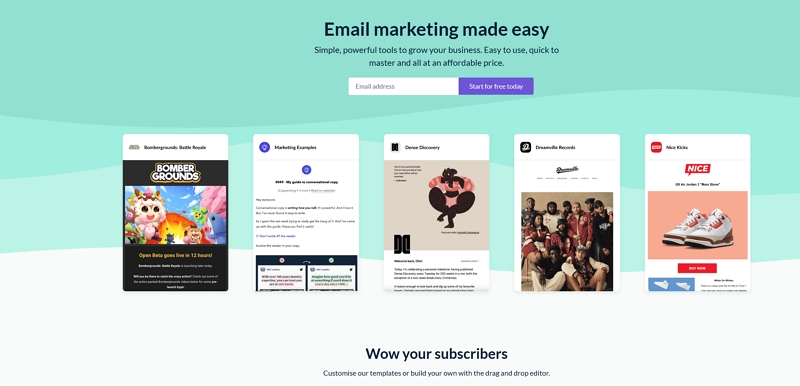
Email is the most cost-effective way for retailers today to communicate with their customers. It can drive immediate foot traffic. Unlike paid ads or unpredictable Facebook campaigns, sending an email to a database of, say, 400 people costs zero to next to nothing depending on your email service. A local shop can email its entire loyalty list about a new product line in seconds.

We've tested several email platforms for SMB retailers. Our current pick is EmailOctopus; its free plan covers up to 2,500 subscribers and is more than enough to get started. You can always upgrade later once you've learned the ropes and you feel that you need better. Another good choice is BlueFox Email

How a POS System Manages Your Loyalty Programme

A POS system is the engine of your loyalty programme. It tracks every customer, sale, and point balance automatically — no spreadsheets, no drawer full of stamped paper cards. When a regular buys their weekly coffee beans, the POS adds points to their profile the moment the receipt prints.

A good POS gives you:

  • Instant reporting on who your most valuable VIP shoppers are.
  • Automatic rule enforcement — the software handles expiries, returns, and redemptions without manual work. If a customer returns a faulty kettle, the POS deducts the loyalty points they originally earned, keeping the programme perfectly balanced.

What Should You Do Next? A Step-by-Step Action Plan

  1. Study what's already working. Look up similar businesses to yours on Facebook. Follow their history — you'll see what campaigns they've run over time. Chances are you're already a member of a few loyalty programmes yourself. Strike up a conversation with the owners: "Tell me, do people use it? I'm thinking of setting one up — how does it go for you?"
  2. Simplify your current setup. Strip away unnecessary complications. The simpler your programme, the better it will perform. Aggressively cut any step that doesn't absolutely need to be there. Start small — you can always improve it later.
  3. Check your POS technology. Confirm that your existing retail POS can handle loyalty tracking. If it can't, factor that into your decision before you launch.
  4. Launch with a welcome email. Use the template below as your starting point:

Email Frequency

Send one email every other month. Don't overdo it — your reason to reach out should always be genuine. Too many messages and people will unsubscribe or block you. In a future post, I will go over some successful retailers' email newsletters.

Conclusion

A retail loyalty programme is the single best tool a small shop has to secure steady cash flow and build a community of returning locals. Keep the rules simple. Go digital-first. Make enrolment effortless. Your customers — and your bottom line — will thank you.

Start small, learn fast, and let your regulars do the rest.


Written by:

Bernard Zimmermann


Bernard Zimmermann is the founding director of POS Solutions, a leading point-of-sale system company with 45 years of industry experience, now retired and seeking new opportunities. He consults with various organisations, from small businesses to large retailers and government institutions. Bernard is passionate about helping companies optimise their operations through innovative POS technology and enabling seamless customer experiences through effective software solutions.


Add new comment

Restricted HTML

  • Allowed HTML tags: <a href hreflang> <em> <strong> <cite> <blockquote cite> <code> <ul type> <ol start type> <li> <dl> <dt> <dd> <h2 id> <h3 id> <h4 id> <h5 id> <h6 id>
  • Lines and paragraphs break automatically.
  • Web page addresses and email addresses turn into links automatically.
CAPTCHA This question is for testing whether or not you are a human visitor and to prevent automated spam submissions. Image CAPTCHA
Enter the characters shown in the image.

Email Marketing Guide for Australian Retailers 2025

POS SOFTWARE

Email_marketing_2025

Why Australian Shops Need Email Marketing and

How to Get Started

A Year-Long Guide to Building 1,000 Subscribers and Growing Your Business

Email marketing is one of the most effective ways for Australian retailers to promote their shops. It means sending emails directly to your prospective customers. Industry figures indicate you can make $36 for every dollar you spend. This makes it better than any other method to advertise your business that is known.

Getting it going properly typically requires about 1,000 subscribers and a year of steady effort. Let’s examine how to approach this as a year-long project.

Firstly, why Australian Shops Need Email Marketing

It’s simple: email marketing works so well. Unlike Facebook or Instagram where you pay a lot and few see your posts, emails go directly to your customers.

Email marketing is effective for every type of shop, big or small, no matter what you sell.

Australian Email Laws You Must Know

Before sending emails, you must follow Australian laws to avoid huge fines.

What you must do

  • Ask people if they want your emails before sending them
  • Make it easy for people to stop getting your emails by unsubscribing
  • Tell people who you are in every email

For business customers, the rules are complex. Generally, if a company recently bought from you, you can email about similar products, but it’s always safer to ask first.

Building Your Email List

You need to collect email addresses from customers who want your communications. Our team aims to get four new sign-ups daily. This is easier than it sounds if you simply ask customers.

Make Signing Up Easy

Request only essential info when people sign up, as extra fields reduce sign-up rates.

Only ask for

  • Their first name
  • Their email address
  • Permission to send them emails

Make it worth their time

Give people reasons to join. Effective ideas include:

  • Regular customers earn 5 points per purchase
  • Email subscribers earn 7 points plus a birthday discount
  • Special sales only for email members

Train Your Staff

Encourage staff to ask customers personally to sign up. This face-to-face approach increases subscriptions.

Put Up Signs in Your Shop

Display eye-catching signs about your email list throughout the store, especially near checkout. Keep a printed copy of your privacy policy available. A helpful privacy template for Australian businesses you can use  is available here:

Choosing the Right Email Platform

You could send emails manually, but dedicated email platforms make it easier and more professional. Both recommended platforms comply automatically with Australian laws and offer easy unsubscribe options.

EmailOctopus - Great for Beginners

EmailOctopus is ideal for Australian shops starting out. It offers a free plan allowing up to 2,500 subscribers and 10,000 emails per month.

Why EmailOctopus is good

  • Free to start
  • Easy to use for those not tech-savvy
  • Good customer support
  • Automatically follows email laws

Upgrades with more features start at about $20/month.

BlueFox Email

BlueFox uses Amazon technology to maximise deliverability to inboxes, not spam folders. For $20/month, you get 100,000 emails—enough for most small shops for years.

Why BlueFox Email is good

  • Higher chance emails will be seen
  • Very affordable for many emails
  • Outstanding, helpful customer support

Creating Great Email Content

Many find content the hardest part—yet it’s essential. If sending one email monthly, that’s 12 per year, which is quite manageable.

If writing is difficult, seek help from professionals, skilled family members, or employees.

The 40-30-30 Rule

Balance your emails with:

  • 40% helpful tips and advice
  • 30% sales and special offers
  • 30% community news and local events

This mix helps sell without being pushy since customers get useful info too.

Helpful Information Ideas

Share expert knowledge to build trust.

Examples by shop type

  • Greeting cards - seasonal and holiday cards
  • Gift shops - occasion-specific gift guides
  • Garden shops - seasonal maintenance tips and problem fixes
  • Clothing shops - styling advice and care instructions
  • Pet stores - pet care, training, health tips

Product Sales Content

Don’t only list products: tell stories about how they solve problems or improve lives.

Good ways to sell products in emails

  • Share customer success stories
  • Explain how products solve specific problems
  • Use quality photos of your products

Example: Instead of "New puppies arrived," say "Charlie the Golden Retriever puppy is looking for an active family who loves weekend adventures."

Writing Emails That People Read

Write like talking to a friend using simple words and short sentences. Avoid complicated business jargon that confuses readers.

Good writing tips

  • Put the most important info first as most don’t read beyond the first few lines
  • Use "you" to directly address readers
  • Keep paragraphs short

One Action Per Email

Each email should focus on one clear action to prevent confusion. Examples include:

  • Visit your store for a special sale
  • Buy a specific product online
  • Download a helpful guide
  • Sign up for a workshop

Tracking Your Success

Monitor key metrics monthly to refine your email approach.

Open Rates (Aim for 25%)

Shows how many read your emails. Below 25%? Improve subject lines. Over 30%? Possibly email too rarely.

Click-Through Rates (Aim for 3%)

Shows link clicks. Low rates indicate unappealing content or offers.

Unsubscribe Rates (Keep Under 2%)

High rates suggest too many or irrelevant emails.

Sales Tracking

Most important metric showing revenue from emails. Difficult to track exactly, but any tracking is valuable.

Best Times to Send Emails

Tests show Tuesday mornings (9-11 AM) and Thursday evenings (6-8 PM) perform best, but test your own audience.

Getting Started Step by Step

Set Everything Up

  • Pick your email platform
  • Create a newsletter that suits your business
  • Start asking customers to join your list

Start Sending

  • Send your first newsletter ASAP
  • Plan content monthly for regular emails
  • Get staff to encourage sign-ups
  • Ask readers for feedback on your emails

Make Things Better

  • Improve gradually; each version should get better
  • Plan content for holidays and seasons
  • Keep going despite challenges—professionals persevere

Advanced Ideas for Later

Birthday emails: Send automated birthday discounts, which generate 5 times more sales than regular emails. If you don't have birthdates, use your sign-up anniversaries instead.

Holiday automation: Schedule emails for Christmas, back-to-school, and other busy seasons in advance, staying connected year-round effortlessly.

Getting Help When You Need It

Don’t hesitate to ask for help learning email marketing. Both EmailOctopus and BlueFox have strong support teams.

If writing is challenging, consider hiring freelance writers experienced in crafting emails for SMB businesses to convey your voice.

Start Today

Email marketing may seem challenging at first, but it becomes easier with practice. Start and improve step-by-step. The key is merely to start; once underway, continuous improvement is possible and please do not get turned off by knockers. If you cannot take knockers, what are you doing in business?

Written by:

Bernard Zimmermann

Bernard Zimmermann is the founding director of POS Solutions, a leading point-of-sale system company with 45 years of industry experience, and is now retired, seeking new opportunities. He consults with various organisations, from small businesses to large retailers and government institutions. Bernard is passionate about helping companies optimise their operations through innovative POS technology through effective software solutions.


Add new comment

Restricted HTML

  • Allowed HTML tags: <a href hreflang> <em> <strong> <cite> <blockquote cite> <code> <ul type> <ol start type> <li> <dl> <dt> <dd> <h2 id> <h3 id> <h4 id> <h5 id> <h6 id>
  • Lines and paragraphs break automatically.
  • Web page addresses and email addresses turn into links automatically.
CAPTCHA This question is for testing whether or not you are a human visitor and to prevent automated spam submissions. Image CAPTCHA
Enter the characters shown in the image.

Use marketing for your business

POS SOFTWARE

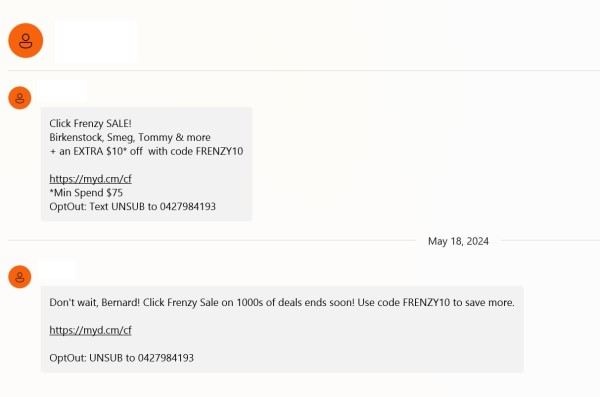
Typical SMS marketing message

In today's marketplace, businesses must leverage every marketing channel to captivate their target audience effectively. Each channel offers distinct advantages and considerations.

Your POS System will give you details on what is selling now. Use that info to start your message.

Let us explore the compelling features of SMS, email, and Facebook/Instagram marketing, weighing their costs and benefits to help you make informed decisions for your business.

Some studies show that people who read business messages do give businesses a high success rate. The big problem with electronic messages is getting people to read them.  A typical rate today is about 22% open rate, with about 55% of those who read it action it. 

The fact of life is that you often get what you pay for in advertising. Hold this thought while we go through some options.

The Appeal of SMS Marketing

SMS marketing is probably the dearest electronic marketing option in our client base. Still, it provides some intriguing options with several compelling features that appeal to businesses seeking to engage their customers directly and instantly.

Immediacy and High Open Rates

SMS marketing will capture customers' attention immediately. Typically, they are read within minutes of receiving them. Additionally, SMS campaigns boast impressively high open rates, often exceeding 90%, surpassing email and other marketing channels.

I have a client who has a sandwich bar. Come to 2:00 p.m. if they are looking at a heap of sandwiches that will be dumped if not sold. They send out specials by SMS. Email will not help much if you need to move those sandwiches in less than an hour. Only SMS can do it.

The Cost Considerations of SMS Marketing

Here's a typical breakdown of the expenses for prepaid SMS bundles that would be valid for 12 months of purchase:

Bundle Cost $ Each Cent
1,000 SMS $115 11.50
2,000 SMS $142 7.10
5,000 SMS $325 6.50
10,000 SMS $585 5.85
50,000 SMS $2,475 4.95
100,000 SMS $4,500 4.50


Once purchased, it is really about using them or losing them. I had a client who lost when they weren’t using as much as they thought they would.

As you can see, the SMS cost is higher for companies that send a few SMS messages. 

Many would consider $600 a year justified to send 1,000 SMS messages monthly to engage with their customers directly and immediately.

The Power of Email and Facebook Marketing

While SMS marketing offers unique advantages, email and Facebook marketing present compelling alternatives that can deliver substantial results without breaking the bank.

Cost-Effectiveness and Scalability

One of the most significant advantages of email and Facebook marketing is their cost-effectiveness, especially compared to traditional marketing methods or SMS campaigns. These options do not incur much cos, making them convenient for businesses with limited budgets. Email and Facebook marketing are highly scalable, allowing you to reach a larger audience without a huge additional cost. There is no cost for most of our customers; it’s free of charge. It's pretty hard to argue with that!

Rich Multimedia Content and Engagement

Email and Facebook marketing campaigns enable you to showcase your products or services through rich multimedia content, captivating visuals, and engaging storytelling. This approach captures your target audience's attention and fosters deeper connections and brand loyalty. Make sure you take photos. 

Targeted Reach and Personalization

Both email and Facebook marketing platforms offer robust segmentation and targeting capabilities. Most people find that a standard message to all works, but it's nice sometimes if you have a good list to tailor your specific audience segments. This personalisation level enhances your communications' relevance and strengthens customer relationships.

ROI (Return On Investment)

This is tricky. So many factors come into it. However, we can discuss general differences between SMS, email, and Facebook marketing regarding how quickly you might see results.

  • SMS Marketing: SMS boasts high open rates, meaning you'll likely see a faster response to your promotions. Did that afternoon text about discounted sandwiches go straight out of your inventory? The ROI for that campaign is pretty clear!

  • Email & Facebook Marketing: Email and Facebook marketing rarely provide immediate sales figures; unlike SMS, they can be incredibly effective in building brand loyalty and driving long-term customer engagement. The ROI might not be as instantly measurable, but loyal customers who return for repeat purchases are a valuable asset.

Pro Tip: Use Unique Discount Codes!

Here's a powerful strategy to track the effectiveness of each marketing channel: assign a unique offer for each campaign. This allows you to see what is working. 

Conclusion

Today, in retail, you must leverage every available channel to captivate your target audience effectively. 

Written by:

Bernard Zimmermann


Bernard Zimmermann is the founding director at POS Solutions, a leading point-of-sale system company with 45 years of industry experience. He consults to various organisations, from small businesses to large retailers and government institutions. Bernard is passionate about helping companies optimise their operations through innovative POS technology and enabling seamless customer experiences through effective software solutions.
 

Add new comment

Restricted HTML

  • Allowed HTML tags: <a href hreflang> <em> <strong> <cite> <blockquote cite> <code> <ul type> <ol start type> <li> <dl> <dt> <dd> <h2 id> <h3 id> <h4 id> <h5 id> <h6 id>
  • Lines and paragraphs break automatically.
  • Web page addresses and email addresses turn into links automatically.
CAPTCHA This question is for testing whether or not you are a human visitor and to prevent automated spam submissions. Image CAPTCHA
Enter the characters shown in the image.