
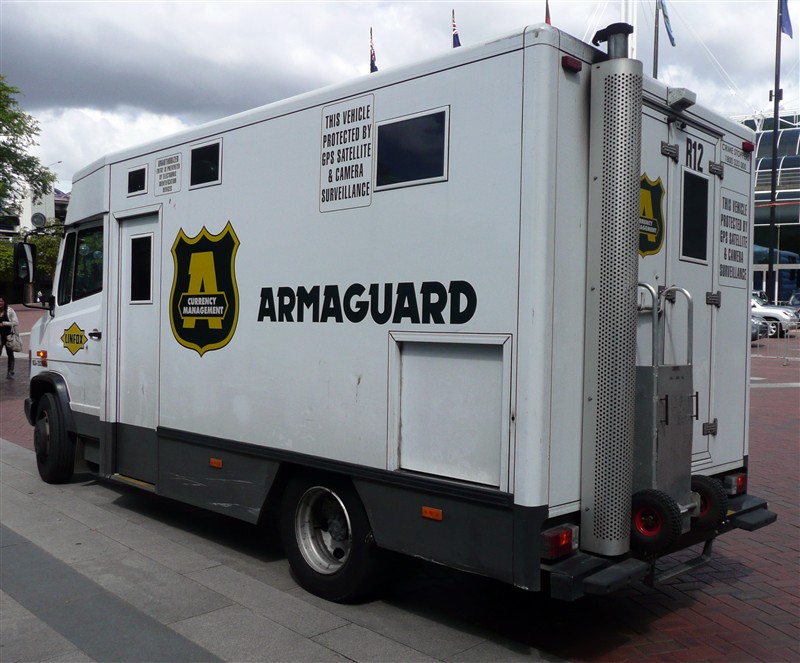
Most Australian retailers know Armaguard has faced serious financial pressure. Still, fewer realise that new pricing changes are likely to increase cash-handling costs and affect how reliably cash can be accessed.
Key Takeaways
- Armaguard pricing changes are intended to support Australia's cash distribution network.
- Cash-in-transit services move physical currency between banks, retailers and ATMs.
- Armaguard needed major financial support to stay operating.
- Lower cash usage is increasing the cost of handling cash for small retailers.
- Reliable cash access depends on a financially sustainable cash-in-transit network.
- POS cash reporting helps retailers measure true cash handling costs and profitability.
- Regional retailers face greater exposure because banking and ATM access are thinner.
- The ACCC has allowed collaboration, but pricing outcomes may still evolve.
- Retailers need to balance cash resilience against rising operating costs.
Why Armaguard Matters to Australia's Cash System
Since the merger of Armaguard and Prosegur, Armaguard has become central to Australia's cash system, handling about 90% of the physical currency moving between banks, retailers and ATMs. That makes it a key part of keeping cash available across the country.
How Close Was Armaguard to Trouble?
Armaguard was under severe financial pressure, and major banks plus large retailers stepped in with about $50 million in support to keep it operating for 12 months. That support was designed to prevent default and give Australia time to build a more sustainable long-term pricing model.
This shows how important Armaguard is to the cash system. If the company is under stress, the entire cash distribution network feels it.
So the Armaguard new pricing model is part of a broader effort to keep cash distribution alive. As the main cash-in-transit provider in Australia, any pricing change affects the wider cash distribution network.
Price of Cash
For most small and medium retailers, the price of cash is not just one visible fee. This Armaguard fee is often hidden in banking fees, while other costs are more visible, such as cash handling time, reconciliation work and security.
These costs are likely to rise, making cash more expensive to support. Some clients are already asking for electronic payment only, although in practice many will still accept cash if needed.
Problems with Cash Distribution
Getting cash has become harder because bank branches and ATMs have been closing in many areas. That makes a stable cash distribution model more important.
Although this plan aims to improve distribution, the benefits will likely be shared unevenly because high-volume retail areas are easier and cheaper to serve. Lower-volume and more remote locations may continue to face the same access problems.
Effect on Retailers
Small and medium retailers are affected more than larger ones. Bigger retailers are usually in high-volume areas and often have more bargaining power over EFTPOS and card rates, making it easier for them to lean away from cash.
Smaller shops also often do not generate enough cash to offset cash-handling costs. More retail trade is now happening online through electronic payments, which further reduces the role of cash for many businesses.
What Should Retailers Do Next?
Your POS system can show how much cash your store actually handles through sales reports and end-of-day reports. You can then calculate what cash really costs your business, including banking, reconciliation and staff time.
Review your sales history to see which transactions are still being paid in cash. That gives you a clearer view of whether cash is still worth the handling cost in your shop.
Conclusion
Armaguard pricing changes are not just a fee story. They are about whether Australia can keep its cash infrastructure functioning sustainably.
For SMB retailers, the smartest move is to measure cash handling costs in your POS system and decide whether your current cash process still makes sense. If cash is still valuable to your business, manage it better. If it is becoming too expensive, make adjustments based on real data rather than guesswork.
Written by:

Bernard Zimmermann is the founding director of POS Solutions, a leading point-of-sale system company with 45 years of industry experience, now retired and seeking new opportunities. He consults with various organisations, from small businesses to large retailers and government institutions. Bernard is passionate about helping companies optimise their operations through innovative POS technology and enabling seamless customer experiences through effective software solutions.