Point of Sale Software

Here are some Articles from the Blog Subject - Legal -

The Right to Disconnect: What It Means for your POS Software

POS SOFTWARE

Methods of communication

The short answer is that no one knows. We are on to it; I have discussed it before here and recently had several conversations with people about Australia's new 'right to disconnect' law. It's a hot topic, alright. 

Firstly, I am not a lawyer. This is not legal advice.

Right to disconnect Australia.

The right to disconnect gives employees the legal right to ignore work-related communications outside of their working hours unless it's deemed reasonable to respond. This includes, for example, your communication to them and any customer communication to your employees. It's part of the Fair Work Act amendments and aims to promote better work-life balance. I found a readable explanation by a lawyer here.

When Does It Start?

It's in effect for most businesses now, but organisations with fewer than fifteen (15) employees have until 26 August 2025 to comply. This means most of my clients have a year to digest it.

What Does 'Reasonable' Mean?

Here's the tricky bit - the law doesn't define what's reasonable. It's unclear if it's okay to send and, if so, what you can send; the main focus of the act is that the employee does not need to answer. Now, the courts must interpret this case-by-case until we get clarity.

My first question is, how does an employee know it's reasonable to respond till they read it? So do they have to read it, or is the onus on the employer to make sure it is reasonable before sending it? If so, based on my research and conversations and readings, here are some situations that might be considered reasonable to send:

  1. Emergencies (e.g., critical system failures)
  2. Pre-agreed on-call arrangements
  3. Safety issues
  4. Legal or regulatory requirements
  5. If you are overseas at a different timezone 

Impact on Retailers Using POS Systems

One concern I've noticed is how this law might affect rostering systems in POS software. Imagine this scenario:

You're working on rosters after hours and must inform an employee not to come in tomorrow. You send an email, but they don't respond. You call, but they don't answer, citing the right to disconnect. The next day, they show up for work unnecessarily.

This situation highlights the need for clear communication protocols and expectations.

I would be careful about working on the rostering system after hours. If this proves to be a problem, we are considering adding a holding facility to stop SMS and emails from being sent to selected people after hours. When we get answers, we can move. If you think we should add any changes, please let me know.

Note that SMS and most popular email services like Gmail can schedule their services; you may want to look into that so your communication goes out during business hours. Even if sending this stuff is okay, you do not want to be the test case to prove it.

After-hours communication policy

You need one. The right to disconnect is here to stay, and despite some talk by other politicians, it isn't very likely that you should go. At best, it might be amended. 

Add new comment

Restricted HTML

  • Allowed HTML tags: <a href hreflang> <em> <strong> <cite> <blockquote cite> <code> <ul type> <ol start type> <li> <dl> <dt> <dd> <h2 id> <h3 id> <h4 id> <h5 id> <h6 id>
  • Lines and paragraphs break automatically.
  • Web page addresses and email addresses turn into links automatically.
CAPTCHA This question is for testing whether or not you are a human visitor and to prevent automated spam submissions. Image CAPTCHA
Enter the characters shown in the image.

How to avoid Point of Sale void fraud?

POS SOFTWARE

POS System frauds

I have seen how retail frauds severely impact retailers. As a retailer with a brick-and-mortar store, you're likely aware of the various business challenges. Void fraud is one of the worst threats to your business, as it attempts to bypass the security in your POS system. 

What is POS Void Fraud?

POS void fraud is a sneaky tactic where unscrupulous workers process a sale, take the customer's money, and then erase the transaction from the system, effectively taking the cash without leaving evidence.

The Mechanics of Void Fraud

Here's how it typically works:

  1. The employee processes a legitimate cash sale. 
  2. They void the transaction after the customer leaves
  3. The cash is pocketed, and no record of the sale remains
  4. End-of-day totals appear to balance. 

It's a sneaky tactic that can be hard to spot without the proper controls. 

Customers returning with queries about purchases not in the POS system are the primary method of catching these people. To make this legally stick, you need cameras on the till. This appears to be the only evidence the courts now accept.

Red Flags to Watch For

In my experience, several warning signs might help indicate void fraud is occurring:

  • An unusually high number of voided or no-sale transactions
  • Voids and no-sales happening at odd times or consistently by the same employee
  • Frequent voids for high-value items
  • Suddenly, low rates of cash

Suspicious Employee Behaviour

Be on the lookout for staff members who:

  • Frequently process transactions without customers present
  • Insist on handling specific customers or transactions themselves
  • Are overly protective of their register or reluctant to take breaks
  • Want to work alone? 

Regular audits and rotating staff assignments can deter potential fraudsters.

POS fraud prevention

1. Implement Strict Void Policies

  • Limit void permissions: Only allow trusted senior staff to process voids
  • Require approval: Set up your POS system to need manager approval for voids
  • Document reasons: Make it mandatory to record a reason for each void

2. Utilise Technology

Modern POS software offers powerful tools to combat fraud:

  • Real-time alerts: Get notified instantly of suspicious void patterns
  • Integrated camera systems: Link transactions to video footage for easy review
  • Detailed reporting: Analyse void trends and identify potential issues

3. What to do

  • Do not ignore the seriousness of void fraud
  • Proper cash handling procedures
  • Spot and report suspicious behaviour
  • Review your security camera footage regularly, mainly when a person is alone.
  • Conduct frequent, unannounced audits of  Void and No-sale transactions

A Personal Anecdote

I once worked with a small newsagency that discovered they were losing thousands of dollars to void fraud. The employee was ringing up transactions in the customer section, issuing receipts and then voiding the transaction in the cash register. We cut their losses almost immediately, needless to say, the owner.

Retail fraud detection

The first point is to check whether many of these voided transactions are occurring and when and who is doing them.


Easy enough to do: go to main menu > Cash register > Transaction Enquiry (see green arrow)

Now, search the transactions by ticking them as in the green arrow with voided entries only.

Now, look at what is happening.

Employee theft prevention

If you do not have our POS system to help prevent a void fraud, look for these features:


Feature Benefit
User-specific logins Tracks who performs each transaction
Tiered access levels Limits void permissions to trusted staff
Detailed void reports It helps identify suspicious patterns
Integration with CCTV Links transactions to video evidence

Conclusion

While POS void fraud poses significant problems, implementing effective strategies and our cutting-edge tools can safeguard your business. Remember, proactive measures trump reactive ones.

Comments

Add new comment

Restricted HTML

  • Allowed HTML tags: <a href hreflang> <em> <strong> <cite> <blockquote cite> <code> <ul type> <ol start type> <li> <dl> <dt> <dd> <h2 id> <h3 id> <h4 id> <h5 id> <h6 id>
  • Lines and paragraphs break automatically.
  • Web page addresses and email addresses turn into links automatically.
CAPTCHA This question is for testing whether or not you are a human visitor and to prevent automated spam submissions. Image CAPTCHA
Enter the characters shown in the image.

Notifying us of a change in business ownership

POS SOFTWARE

Have you ever been locked out of a crucial business system? For many business owners, this becomes a reality when they overlook a critical step: notify their POS provider about a change in business ownership. As a veteran of retail POS systems, I've seen how this simple oversight can spiral into major issues. But here's the surprising truth: a few minutes of your time can prevent this headache. 

The Importance of Timely Business Ownership Transfer Notification

A Cautionary Tale: The Unexpected Support Call

Picture this: Our support team receives a call from an unfamiliar voice requesting assistance for a shop we know well. They ask for sensitive customer data, raising immediate red flags. Until we are notified of a change in ownership, the shop's ownership belongs to the previous owner. This scenario has occurred several times.

Good Reasons for Prompt Business Notification of a change in ownership

  1. Free Training Opportunities: We offer complimentary training for new owners during a retail business ownership change - why should they miss out?

  2. Licence Ownership Transfer: Until officially notified, the POS licence remains with the previous owner, potentially leaving the old owners liable for new costs.

  3. Data Security and Privacy: Ensuring only authorised individuals access sensitive information is crucial during a POS ownership change.

  4. Legal Implications: Updating POS ownership information can lead to contractual disputes and legal liabilities. The law is quite clear that you must notify all the stakeholders in your business.  

Ownership Transfer Process

- Complete and submit the required documentation here.

- If a valid email address is on the form, both the Releasor and Acceptor will receive an email confirmation from us once the change of ownership has been completed.
 

Benefits of Proper Notification

By following the correct retail POS system update procedures, you ensure:

  • Uninterrupted access to support services
  • Proper transfer of licence ownership
  • Access to complimentary training for new owners
  • Maintenance of data security and privacy
  • Compliance with legal and contractual obligations

FAQ: Common Concerns About POS Ownership Changes

Q: How soon should I notify you of a business ownership transfer? 

A: Ideally, at least two weeks before the official transfer date.

Q: Will the POS system be unavailable during the transfer? 

A: No

Q: Do staff need to be retrained after the ownership change? 

A: We recommend discussing the changeover with our support staff as the new owner and the staff will now need to get the system working according to how the new management needs.

Q: Are there any fees associated with ownership transfers? 

A: If the lawyers do it, their time will be charged. If you do, we will have no charges.

Conclusion

A POS ownership change is a critical step in ensuring the smooth operation of your shop. It only takes a few minutes.


Add new comment

Restricted HTML

  • Allowed HTML tags: <a href hreflang> <em> <strong> <cite> <blockquote cite> <code> <ul type> <ol start type> <li> <dl> <dt> <dd> <h2 id> <h3 id> <h4 id> <h5 id> <h6 id>
  • Lines and paragraphs break automatically.
  • Web page addresses and email addresses turn into links automatically.
CAPTCHA This question is for testing whether or not you are a human visitor and to prevent automated spam submissions. Image CAPTCHA
Enter the characters shown in the image.

Do You Do a Stocktake?

POS SOFTWARE

StockTaking

This question arises every year and again this year. Here, I will discuss the importance of stocktaking for businesses and address common objections. 

We also explore the advantages of performing a stocktake, even when facing challenging circumstances. Additionally, we highlight the potential risks of skipping a formal stocktake and how implementing regular rolling stocktakes throughout the year may offer better results.

Firstly, stocktaking is a critical process for retailers, ensuring accurate management of inventory levels. Despite perceived challenges, I think its benefits far outweigh the drawbacks. Modern POS software can streamline the stocktaking process. It's not just for the ATO; I have seen many retailers whose profits have mysteriously disappeared. We are not talking small figures here. Theft, damage, or errors of the inventory mean a significant time loss to the retailers, which also implies a substantial loss of revenue due to the problems of the businesses. You can substantially decrease the losses and increase the revenue by carefully regulating your inventory.

Objections to Stocktaking:

Stocktaking can be viewed as a tedious and resource-intensive task, with several arguments against its necessity:

It consumes time and effort
It incurs additional costs without generating revenue
Disruptions to daily operations can negatively impact sales

These concerns are legitimate; however, there are compelling reasons to perform a stocktake despite them.

Legal Requirements for Stocktaking:

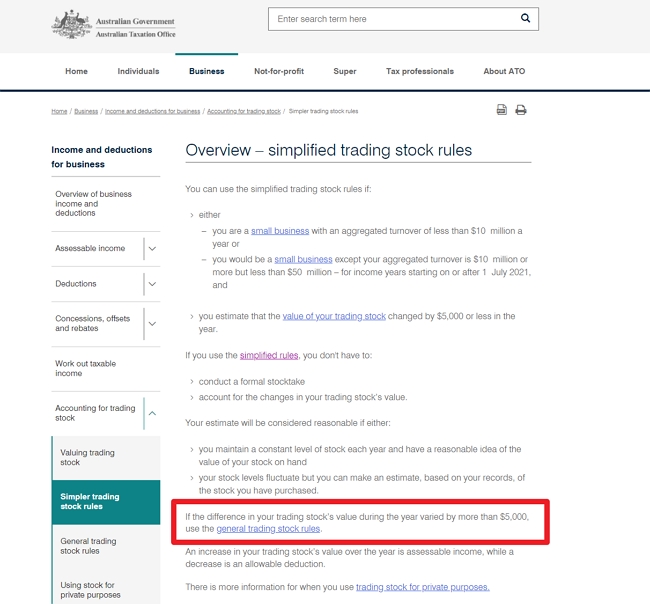
According to the Australian Taxation Office (ATO), businesses must perform a stocktake if they cannot accurately estimate their current stock levels based on historical data and do not meet specific conditions. These conditions include:

The difference in stock values between the previous financial year and the current financial year is less than $5,000

Using a reliable method, you can reasonably estimate your current stock levels and maintain sufficient evidence to substantiate your estimates.

Please read this page from the ATO here on this question and pay particular attention to the square I marked in red. 


I am sure every client I have has at least a $5,000 inventory difference between this fiscal year and the previous one. 

It is your responsibility to affirm your stock figures to the ATO, at least to their complete satisfaction, so that the ATO will regard your figures as reliable evidence.

Rolling Stocktakes vs Formal Stocktakes:

There's debate over whether to conduct traditional annual stocktakes or opt for rolling stocktakes throughout the year. While rolling stocktakes offer real-time insights, they can be more resource-intensive than formal stocktakes. Both methods have their merits, but accuracy in stock valuation remains paramount for tax purposes.

Advantages of Performing a Stocktake:

A well-executed stocktake offers numerous benefits for businesses, including:

By comparing the inventory on record with the actual stock, one can obtain the data needed to make better stock orders, properly manage inventory, and prevent loss at the premises in cases of theft or things are just out of place. This information can then be used to devise better security measures.

Products are checked to see how many are near expiry and if stock is spoilt and damaged. Often, this allows last-minute sales to recover whatever value is left in these goods.

Getting technology that provides 24/7 visibility of the inventory status and the capability to view, track, and control the flow of goods in and out of the business will ultimately increase operational efficiency, accuracy, and, more importantly, customer satisfaction.
 

POS Software Benefits:

Our POS software comes equipped with robust inventory management features to simplify stocktaking:

  • Barcode scanning: Scan product barcodes for faster and more accurate counting.
  • Real-time inventory updates: You do not need to close the shop to do a stocktake.
  • Stocktake reports: It generates detailed reports to analyze discrepancies and identify trends.

Conclusion:

With their circumstances, different businesses ought to decide whether to implement a formal or rolling stocktake. The legal aspects and benefits, which must be balanced with each approach, should form the basis for a decision. By taking these necessary steps, you can make wiser decisions. 

Whichever way you go, I wish you all the best for your business.
 

Add new comment

Restricted HTML

  • Allowed HTML tags: <a href hreflang> <em> <strong> <cite> <blockquote cite> <code> <ul type> <ol start type> <li> <dl> <dt> <dd> <h2 id> <h3 id> <h4 id> <h5 id> <h6 id>
  • Lines and paragraphs break automatically.
  • Web page addresses and email addresses turn into links automatically.
CAPTCHA This question is for testing whether or not you are a human visitor and to prevent automated spam submissions. Image CAPTCHA
Enter the characters shown in the image.

The Right to Disconnect: What you Need to Know

POS SOFTWARE

Reight to disconnect

The Australian government passed a new workplace law for the right to disconnect. This means employees can ignore calls, emails, and messages from their employer outside of work hours without fear of punishment. This is a significant change that all retailers need to understand.

How the Right to Disconnect Works

While details remain to be determined, the law means staff can't be penalized for reasonably not responding to calls, emails, etc. during off hours like nights, weekends, and PTO.

What does it reasonably mean? No one knows yet still.  

Key points:

  • Employers cannot fine or discipline employees for not responding after hours
  • Employees can seek orders from the Fair Work Commission to prevent punishment
  • Employers could be fined for breaching these orders

Although I doubt it will help us, most of us are surprised as this proposed law is much less strict for employers than passed in some European countries.

Why This Matters for Retailers

For retailers that operate physical stores with set opening hours, the immediate problem may be that the right to disconnect will have enormous implications for scheduling staff and communicating about shifts.

Retailers will need:

  • More carefully plan schedules in advance
  • Possibly limit last-minute schedule changes
  • Outline exceptions for emergency contacts

Exactly how it would work, of course, remains to be seen as what parliament said, what the courts say, etc; remains to be seen.

What retailers need to know

Hopefully, the retail industry groups can get feedback on what retailers need to know.

  • Definitions around what is "reasonable."
  • Clarify how far in advance schedule changes will be communicated
  • What constitutes an emergency exception?
  • What happens when a shift swap occurs?

Rostering With the Right to Disconnect

Our rostering software needs to be amended, but we are unsure exactly how. When the details come up, I can tell you more. If you have any ideas or requirements, please let me know.

With some forethought and policy updates, retailers must know how to comply with the new right-to-disconnect laws.

Add new comment

Restricted HTML

  • Allowed HTML tags: <a href hreflang> <em> <strong> <cite> <blockquote cite> <code> <ul type> <ol start type> <li> <dl> <dt> <dd> <h2 id> <h3 id> <h4 id> <h5 id> <h6 id>
  • Lines and paragraphs break automatically.
  • Web page addresses and email addresses turn into links automatically.
CAPTCHA This question is for testing whether or not you are a human visitor and to prevent automated spam submissions. Image CAPTCHA
Enter the characters shown in the image.

The Legal Situation of Company Data in a Business Sale

POS SOFTWARE

Selling a business means handling your company data carefully. Privacy laws make transferring data complicated. But it's not just laws - most Aussies respect people's privacy rights. Sellers want to follow rules and do the right thing with private details. Plan properly - get legal advice, discuss needs with the buyer, and develop a privacy-protecting transfer plan. It takes effort, but respect staff and customers.

So we have today a headache for many businesses selling up. 

One country newsagency that recently just sold her shop describes to me her situation:

"We had decades worth of customer purchase records and email lists that the new owners wanted as part of the sale. But with the Privacy Act, I had no idea if we could legally hand that data over or not without customer consent. It was very tricky trying to figure it all out."

Buyers Require Notification of Data Details

The buyer will need and is entitled to be notified by the seller about many necessary details of the data relating to the transferred business. What they should get:

  • The types of data included in the sale
  • The purposes for which the data was collected
  • How it is being used now.

Now, the Sale Contracts Should Address Data Transfer

In the past, business sale agreements typically included provisions for transferring assets, including any data owned by the business. The purchasing company would gain legal ownership and rights to use the data unless otherwise specified in the sale contract, which protected the business. This is all well and good, except with the current privacy laws, it's unlikely that a company being sold could claim this as protection if the data were not allowed to be transferred. Suppose the business data includes any personal information. If required, it may require notifying individuals that their data is being moved to a new business.

Remember, it does not matter what the contract says if it is illegal. It may still be a crime.

Still, the old owner would still be better off if the sale agreement outlined relevant data handling protocols, access control procedures, and compliance requirements on the transferred data, even if its terms were dubious. This provides legal clarity.

Employees

The laws about employee records are incredibly unclear. My understanding is that they are exempt from privacy laws in most cases. However, this is now being reviewed. I know its quite common today for a buyer to take responsibility for many existing labour regulations. To do this, they need the info. I have no idea what to do here if a buyer needs details about them.

Here are some steps I would suggest.

- Keep a copy of your data. You never know when you need it. I have seen court cases requiring information twenty years ago.

- Get professional advice on what needs to go. If you use a business broker, consult them; it should be part of their services and get the answer in writing.

- Many do not transfer any individual data, but this may be a problem if debts are being sold. 

- Consider getting the consent of the individuals whose data is being transferred, if required by law.

- You may consider giving the buyer a summary of non-identifiable data.

- Ask us how to get rid of it safely. We will not do it, but we will explain the steps. 

- Make sure that you make sure the data is transferred securely.

Conclusion

I hope this is of help, as selling business data in Australia now poses headaches around legally and ethically handling customer data transfers to new owners.

Disclaimer

As a businessman, programmer and blogger, I want to be upfront - I don't have professional qualifications on these issues. I'm sharing what I've been told and had explained to me by people I trust. This isn't professional legal or financial advice. It's me trying my best to be helpful and honest, with no formal expertise. Please don't treat this content as expert counsel. It's provided in good faith but not as formal guidance.

Add new comment

Restricted HTML

  • Allowed HTML tags: <a href hreflang> <em> <strong> <cite> <blockquote cite> <code> <ul type> <ol start type> <li> <dl> <dt> <dd> <h2 id> <h3 id> <h4 id> <h5 id> <h6 id>
  • Lines and paragraphs break automatically.
  • Web page addresses and email addresses turn into links automatically.
CAPTCHA This question is for testing whether or not you are a human visitor and to prevent automated spam submissions. Image CAPTCHA
Enter the characters shown in the image.

Things to Consider doing a change in business ownership

POS SOFTWARE

Under new management

This problem occurs pretty regularly and does cause disruptions. While purchasing or selling a company are major milestones, owners can often get caught up in the excitement of closing the deal. In their eagerness to complete the transaction, some key details can fall through the cracks.

The reality is that meticulous diligence separates the pros from the amateurs.

As someone who has seen these issues arise often. It was not minor. I have seen settlements blocked and legal letters go out over this, so I want to share advice on what to watch out for when buying or selling a business.

Your POS Software Licenses do not Automatically Transfer to the new owner.

One common problem is in the software licenses. One problem is that your computer software, which in our case, and almost everyone else's, is sold under license. Now almost all businesses use software licensed to the company, not individual users. So if ABC Pty Ltd buys a business software license, ABC Pty Ltd has the right to use that software. If ABC Pty Ltd sells the business to XYZ Pty Ltd, the license stays with ABC until the software vendor is notified. The new owner won't have usage rights, which could severely impact operations. People today are very reluctant to give people they do not know access to what is often personal data.

If you've bought or sold a business, notify your software vendors to transfer licenses. Please don't assume it's automatic, or you may face disruptions as the old software owner must consent generally in writing to any license transfer.

Watch Out for These Common Issues

Over the years, I've seen many software license problems crop up during business transitions:

  • Former owners demanded additional compensation for software after the sale.
  • Buyers requesting refunds for software licenses that weren't transferred.
  • Disputes over unpaid software debts.
  • Vendors delay support until the old owner approves a transfer.
  • Vendors are unsure who to contact about licenses and renewals.

Thoroughly documenting and communicating license transfers avoids headaches for everyone. Don't leave details unclear or assumes someone else will handle it because you may not like how they handle it. 

Frequently Asked Software Transfer Questions

Here are some common questions about license transfers:

  • Do old owners need to sign transfer forms? We prefer it but don't require it if other proof of sale is provided.

  • Can transfers happen on weekends? We don't process customer changes on weekends or public holidays. Let us know if the transfer occurs at least one business day before.

  • Is a new credit application required? No, we don't need a new credit application just for a transfer.

Being aware of license transfer issues goes a long way. Both buyers and sellers should confirm software ownership details to smooth the transition. Let me know if you have any other questions!

Add new comment

Restricted HTML

  • Allowed HTML tags: <a href hreflang> <em> <strong> <cite> <blockquote cite> <code> <ul type> <ol start type> <li> <dl> <dt> <dd> <h2 id> <h3 id> <h4 id> <h5 id> <h6 id>
  • Lines and paragraphs break automatically.
  • Web page addresses and email addresses turn into links automatically.
CAPTCHA This question is for testing whether or not you are a human visitor and to prevent automated spam submissions. Image CAPTCHA
Enter the characters shown in the image.

7-Eleven workers' fight attempted robber in a viral video

POS SOFTWARE

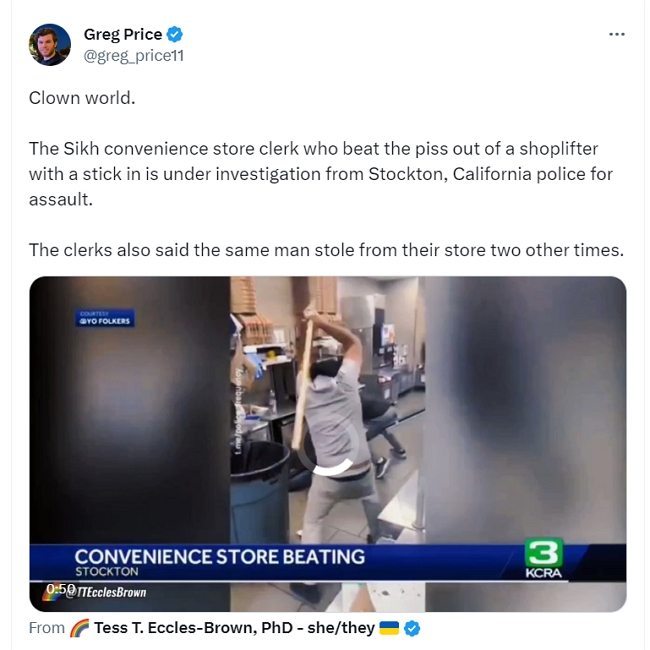
In California, United States, a masked man entered a 7-Eleven store, grabbed a trash can, and started taking tobacco products off the shelves in an attempted robbery. An employee tackled the man to the ground while another employee grabbed a wooden pole and repeatedly struck the suspected thief nearly two dozen times.

A video of the incident exists and has gone viral online, garnering millions of views, but it is age-restricted. Those interested in seeing the video can find it here.

The employees were initially seen as courageous for protecting their store against the robbery. However, it can be argued that the repeated beating they inflicted on the shoplifter was excessive but as the saying goes, it is better to beat the threat decisively in self-defense and deal with legal repercussions later, rather than end up dead.


Add new comment

Restricted HTML

  • Allowed HTML tags: <a href hreflang> <em> <strong> <cite> <blockquote cite> <code> <ul type> <ol start type> <li> <dl> <dt> <dd> <h2 id> <h3 id> <h4 id> <h5 id> <h6 id>
  • Lines and paragraphs break automatically.
  • Web page addresses and email addresses turn into links automatically.
CAPTCHA This question is for testing whether or not you are a human visitor and to prevent automated spam submissions. Image CAPTCHA
Enter the characters shown in the image.

Movie "Pepsi Where Is My Jet: Lessons in Marketing

POS SOFTWARE

Marketing gone bad


Lessons for us from "Pepsi, Where Is My Jet?" Netflix Documentary. Often it's easier to learn from examples of what happens when something goes wrong. So if you have ever wondered what happens when an advertisement goes wrong, try watching this Netflix documentary "Pepsi, Where Is My Jet?" The film tells a true story of the disastrous consequences of a marketing blunder that led to a significant legal battle. It's a great example of why we must properly run our marketing campaigns.

The Story 


The documentary starts around a Pepsi ad campaign launched in 1995. The campaign allowed customers to collect points from Pepsi products and redeem them for prizes such as T-shirts, sunglasses, or CDs. The campaign featured a series of humorous commercials that showed prizes such as a leather jacket worn by Cindy Crawford, a life-sized replica of the Statue of Liberty and a military Harrier jet fighter. 

To get the jet, you needed to collect seven million points. The commercial offer of a jet was meant to be a joke. Unfortunately, Pepsi lacked a disclaimer indicating that the jet was a joke. Now there is always someone looking for a loophole.

After doing some figures, a young student saw the commercial and initially determined that with $5 million, he could win the jet worth about 30 million dollars. After discussing it with a few people, he reviewed his calculations and found that he could do it with much less. He only needed $700,000 to get the jet. He convinced an investor to help him raise the money and sent Pepsi a check for $700,000 along with 15 Pepsi points (the minimum required) and an order form for the jet.

Pepsi refused to honour his request. They argued that the commercial was not a serious offer in a dismissive letter. This was stupid and aggravated the situation. Then it escalated after Pepsi then made a low offer that was rejected. Soon, the student sued Pepsi for breach of contract, fraud, deceptive and unfair trade practices, and misleading advertising. Soon the matter went to the public, where it went viral.

I will not say more about the plot not to spoil those who want to watch. Sufficient to say the ending shocked me.

The Importance of Marketing Compliance

Someone took Pepsi at its word for what Pepsi thought was a joke. If someone can make an argument, someone may do so. So clearly, there were severe issues with Pepsi's marketing, which shows just how important it is to meet marketing compliance. You want to ensure your ads aren't making false promises or tricking people, even as here by accident. Plus, no matter who wins or loses, you do not want customers to feel deceived and let down by your actions.

My view

Watching 'Pepsi, Where's My Jet?' was fun and exciting. Both sides made mistakes during the situation. The film is worth seeing because it provides valuable insights into the issue and is entertaining. 

Add new comment

Restricted HTML

  • Allowed HTML tags: <a href hreflang> <em> <strong> <cite> <blockquote cite> <code> <ul type> <ol start type> <li> <dl> <dt> <dd> <h2 id> <h3 id> <h4 id> <h5 id> <h6 id>
  • Lines and paragraphs break automatically.
  • Web page addresses and email addresses turn into links automatically.
CAPTCHA This question is for testing whether or not you are a human visitor and to prevent automated spam submissions. Image CAPTCHA
Enter the characters shown in the image.

Navigating Surcharging in Australia

POS SOFTWARE

If you charge a surcharge on debit and credit cards, you are required yearly to do a review to justify your surcharge at the end of the financial year. The results from this evaluation will be used as a basis for setting your surcharge for the upcoming year.

What to Consider Before Surcharging

Several essential aspects must be considered when deciding whether to put surcharges in place. These include the potential benefits and drawbacks of such a policy, which must be evaluated before making any final decision. Some key points to keep in mind when assessing the feasibility of surcharging include:

Industry practices

Do your competitors or peers surcharge? If not, you may lose customers or reputation by being the only one who does.

Competition

How price-sensitive are your customers? Will they switch to another shop if you surcharge? You can test the market reaction before implementing surcharging for a short period as a test.

Customer impact

How will the surcharge affect your customer experience and satisfaction? Will it cause confusion or frustration at the point of sale? Will it discourage impulse purchases or upselling? You should communicate with your customers about why you are surcharging and how they can avoid it.

Customer loyalty

How will the surcharge affect your customer retention and loyalty? Some customers may be deterred from purchasing at businesses that charge a surcharge. It can be especially true if they feel unfairly charged or have better alternatives elsewhere. Consider how surcharging impacts your long-term relationship with your customers and bottom line.

Myth

Refrain from believing customers do not care if it is charged. We have done studies that show customers do care.

How to Surcharge in Australia

If you decide to surcharge, you must follow the rules and regulations of the Reserve Bank of Australia (RBA) and the Australian Competition and Consumer Commission (ACCC). These include:

  • The banks will do the calculation for you, but what is a frequent complaint is that many of the fees the banks need to take into account. So it is worth getting the bank to do it and then reviewing the figure. Keep the calculation in case you get asked to justify it.

  • Based on last year's figures, this review must be done by 1 September.

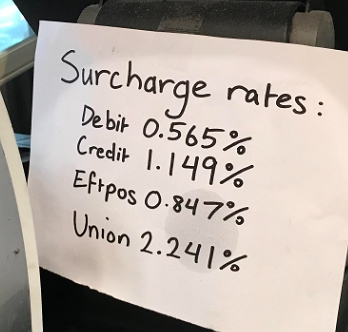
  • It would be best to display signage to inform your customers about the surcharge before they pay. The signage must specify each card type's surcharge amount or percentage.

BNPL

You better check with the BNPL provider you use. Often, providers enforce a "no-surcharge" clause, prohibiting you from passing on their cost to your customers.

For example, Afterpay states

Surcharges. You must not impose a surcharge on the customer or discriminate against the customer in any way for using Afterpay as a payment mechanism. A surcharge includes any charge or increase in the sale price, shipping costs or any other Customer fees and charges that are applied because the customer has elected to use Afterpay as their method of payment. For example, You must not charge the customer a fee in addition to the Sale Price (and any applicable Shipping Costs) on the basis that the customer has elected Afterpay as their chosen payment method. Similarly, You are not permitted to charge a fee (i.e. a restocking fee) to the customer where you accept a Return for a Refund on the basis that the customer's chosen payment method was Afterpay. For in-Store transactions, You may pass on to the customer a surcharge to recover the cost of accepting Mastercard transactions, or such equivalent costs of any other relevant card scheme utilised by Afterpay to facilitate in-Store transactions, if required by Your policies and in accordance with Relevant Law.

So the most expensive acceptance method is the dearest to you in fees. This may present a problem as the customer will know they pay no surcharge on BNPL and must pay it on a credit or debit card.

Conclusion

Surcharging is a viable option for businesses that want to recover their processing costs from their customers. But, it is not a one-size-fits-all solution and requires careful consideration and compliance. Before you use surcharging:

  • Make sure you understand the benefits and drawbacks.

  • Assess your business situation and goals.

  • Follow the rules and regulations in Australia.

Don't hesitate to contact our support team if you have questions about surcharging or need help setting up your payment system. We are happy to assist you.

Add new comment

Restricted HTML

  • Allowed HTML tags: <a href hreflang> <em> <strong> <cite> <blockquote cite> <code> <ul type> <ol start type> <li> <dl> <dt> <dd> <h2 id> <h3 id> <h4 id> <h5 id> <h6 id>
  • Lines and paragraphs break automatically.
  • Web page addresses and email addresses turn into links automatically.
CAPTCHA This question is for testing whether or not you are a human visitor and to prevent automated spam submissions. Image CAPTCHA
Enter the characters shown in the image.

Retailers and cheques now

POS SOFTWARE

CBA cheque


The check, once a staple in Australia, is becoming outdated. Although there are no current plans to phase out checks in Australia, the signs show we are abandoning cheques. 

The decline of checks in Australia

Monthly cheque usage has been steadily declining over the past 20 years, with some of the biggest decreases seen in recent years. Latest figures from the Reserve Bank of Australia show that cheque usage was down 17.8% for the year ended June 2022 and 18% down for the same period in 2021. With such a downward trend, does this mean a cheque-less society is on the horizon? Click here.

As some of my clients point out to me, cheques have already been basically phased out in New Zealand.

Let us here discuss some of the effects on retailers.

> The fact is that cheques are less convenient than electronic payment options for retailers. Cheques can take days to clear, and there is always the risk of being stolen or lost in the mail. Banks sometimes dishonour them for various reasons e.g. the signature does not match what was on file. But, electronic payments are instantaneous, verified and can be made from anywhere at any time.

> Another problem is that some financial institutions no longer accept or take them reluctantly. Some banks have stopped issuing chequebooks as part of their account packages. Others will no longer accept foreign checks. One of my clients had to get a special arrangement for banking as they get foreign cheques.

> Many customers, mainly oldies, still prefer to pay using a cheque. These people may go elsewhere if you refuse to accept their cheques. As long as someone else takes them, we have to take them.

> Government departments and some larger organisations still want to pay by cheque.

Conclusion

Although Australia has yet to make any current plans to phase out the use of checks, their use will continue to decline over the coming years. I would wait to consider getting rid of them.

Executive Summary:

  • The use of cheques in Australia is declining, with figures from the Reserve Bank of Australia showing a 17.8% decrease last year.

  • While there are currently no plans to phase out cheques in Australia. Although some financial institutions are no longer accepting them.

  • Electronic payment options are becoming more popular due to their convenience, speed and security.

  • Some customers, particularly older ones, still prefer to pay by cheque, as do some larger organizations, e.g. government departments.

Add new comment

Restricted HTML

  • Allowed HTML tags: <a href hreflang> <em> <strong> <cite> <blockquote cite> <code> <ul type> <ol start type> <li> <dl> <dt> <dd> <h2 id> <h3 id> <h4 id> <h5 id> <h6 id>
  • Lines and paragraphs break automatically.
  • Web page addresses and email addresses turn into links automatically.
CAPTCHA This question is for testing whether or not you are a human visitor and to prevent automated spam submissions. Image CAPTCHA
Enter the characters shown in the image.

Tyro Class Action Settlement: What You Need to Know

POS SOFTWARE


We have been asked to notify our users,  many of who were affected by the outage to Tyro’s EFTPOS facility in January 2021 


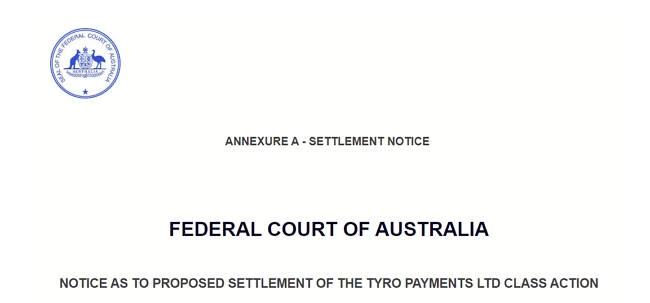
A proposed Tyro Class Action has now achieved a proposed settlement which, if passed, will see Tyro compensate many of those that suffered loss or damage due to this Outage.

The full text of the proposed settlement is here.

The key points, I think, are

> Tyro does not admit any fault.

> Tyro will pay $5 million.

> If I read it right, the lawyers of CHC are asking for about $3 million from the $5 million, and the rest will be distributed to people affected.

> It is impossible to estimate how much those affected will be paid accurately. 

If you feel you were involved and are unsure if you are in this settlement, contact CHC immediately.

Bannister Law Class Actions

ADDRESS: 74b New Beach Road, Darling Point Sydney NSW 2027

Email: [email protected]

Tel:  02 8231 6529

Note: Our understanding is that you cannot claim here if you took our advice and accepted the tyro terms earlier as you have "validly opted out of the Tyro Class Action (that is, by filing an Opt Out Notice before 30 October 2022, unless the Court orders otherwise)"  but there is nothing to stop you contacting CHC to confirm this fact. If so please let me know what happened.

Add new comment

Restricted HTML

  • Allowed HTML tags: <a href hreflang> <em> <strong> <cite> <blockquote cite> <code> <ul type> <ol start type> <li> <dl> <dt> <dd> <h2 id> <h3 id> <h4 id> <h5 id> <h6 id>
  • Lines and paragraphs break automatically.
  • Web page addresses and email addresses turn into links automatically.
CAPTCHA This question is for testing whether or not you are a human visitor and to prevent automated spam submissions. Image CAPTCHA
Enter the characters shown in the image.

The Issues with Breakage When Selling a Business

POS SOFTWARE

Accountant looking at the books


When valuing a business for resale, particularly at the time of sale, one problem that sometimes appears is the Breakage Revenue.

What is Breakage Revenue?

Discount voucher

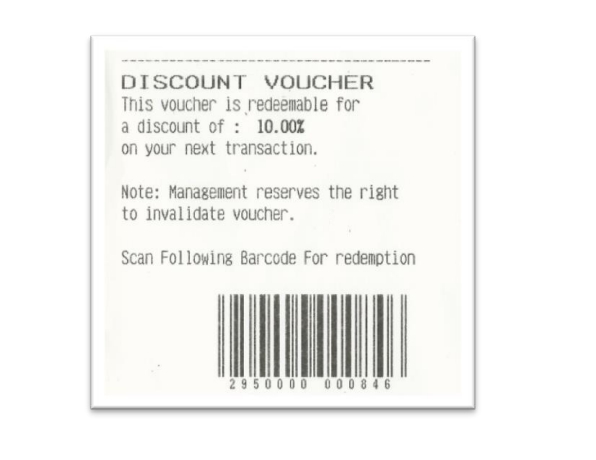
When you issue points or give discount vouchers to your customer through your loyalty program, strictly in accounting, you should deduct the value of these items from your sales. Say you issued today 1,000 discount vouchers at an average price of $2; then you should remove $2,000 of sales revenue from your books. This is the Breakage. Now as the vouchers are claimed, the value comes off this Breakage. So say of the 1,000 discount vouchers issued, 50 are claimed, well now $100 comes off the $2,000, so the amount outstanding is $2,000-$100= $1,900.

As only a few discount vouchers are claimed, and most expire, this is often ignored except when the business is for sale.

The Breakage must be resolved to ensure a fair deal for all involved in a business transfer.

Valuation of Breakage Revenue

Taking the example above, it is quick to see that the figure is not trivial. If we assume these discount vouchers are claimable for 30 days, then we have outstanding about 30 x 1,000 x $2 = $60,000. What do we do with this figure? Remember, only part will be claimed in reality, but who can say what a fair figure is at the time of sale?

Compliance with legal and regulatory requirements

After the business is sold, all valid discount vouchers are likely an obligation on the new owners, but often the old owner finds that they have to reimburse that amount. So the new owner said 5,000 were claimed, so he wants $10,000 from you.

Also, if the old owner has claimed the Breakage in their tax return, I don't know what the ATO would do if they made an audit of the business. You need to check this too.

The best treatment for Breakage Revenue

Some people avoid the problem by stopping 30 days before the transfer and issuing these discount vouchers or points. A better solution is to give discount vouchers that can only be redeemed before a specific date, the transfer date or 30 days, whatever is earlier.

Customer Perception

The issue of customer perception is the final one. Adverse publicity and company reputation damage can result if customers believe their discount vouchers are devalued. There are good marketing reasons why these discount vouchers were issued.

We provide you with a scientific approach to collect data on how your customers use your loyalty VIP program to comprehend its impact better. By analysing the sales data on your customers' purchase histories, you can determine the effects of your loyalty VIP program. Doing this lets you decide what kinds of goods or services are being bought, how often they are bought, and other important metrics that will help you make better decisions about your program.

The "loyalty vs. non-loyalty sales" report, highlighted in green on your cash register reports, is one helpful report to examine.


loyalty program checker

It is best to keep things straightforward and select the most recent year's data to analyse. When you run the report, a list of items purchased by regular and devoted VIP customers can be compared.

Pay close attention to the profit section because VIP customers account for over a third of a modern retailer's profit. They also typically generate more revenue per visit than regular customers.

The percentage of gross profit is another important row to consider. This row highlights VIP customers' high-margin purchases, which may help locate new products to offer only to VIP members.

Last, examining the cost row to determine the exact costs associated with your VIP clients is essential.


Summing up

Consideration must be given to the valuation of Breakage, its treatment in the sale agreement, compliance with legal and regulatory requirements, and customer perception.

As always, when selling a business, I recommend that you seek professional advice to ensure that all issues are appropriately addressed.

Add new comment

Restricted HTML

  • Allowed HTML tags: <a href hreflang> <em> <strong> <cite> <blockquote cite> <code> <ul type> <ol start type> <li> <dl> <dt> <dd> <h2 id> <h3 id> <h4 id> <h5 id> <h6 id>
  • Lines and paragraphs break automatically.
  • Web page addresses and email addresses turn into links automatically.
CAPTCHA This question is for testing whether or not you are a human visitor and to prevent automated spam submissions. Image CAPTCHA
Enter the characters shown in the image.

The government to make Massive Changes to Cyber Security Laws and how it affects us.

POS SOFTWARE

Hackers at work


So far, Australia has experienced several notable cyberattacks, e.g. Optus and the more significant Medicare hack. These incidents have raised concerns about the vulnerability of Australians to cyberattacks. Not surprisingly, the government intends to act. It seems these incidents as showing a need for enhanced customer data security and cyber security measures.

Firstly let us put my qualifications on this up. I have an ISO 27001 Certification,

which now allows me to be a Lead Auditor for computer systems security.

ISO 27001 certification

The Probability of Being Affected by a Cyber Attack 

Quit high. Most computer systems today have experienced cyber-attacks. These attacks will continue. Want to see some, look in the spam filter of your email address for samples. 

Also, most of us have had our personal information compromised due to hacks. I was involved in the Optus data breach recently, a co-worker was hit by the medicare hack.

Overall it is almost certain you will be affected.

Proposed Changes to Australia's Cyber Security Laws 

We know that the security of customer information will be one of the main focuses of the proposed changes. Count on more significant penalties and enforcement. 

Although the implications of the changes for small and medium-sized businesses have yet to be released, security experts I asked feel that they will likely be based on the Australian Cyber Security Centre's Small Business Cyber Security Guide here.

> Supported windows system. Currently, you need the latest version of Windows 10 or Windows 11.

> That you run updated software applications. This may be a real problem, as many of us run old software versions. 

> Update security software. Windows defender is free and quite good.

> Regular backup of your business information. We have a free online backup procedure. Also, it would be best if you were using USB sticks. 

> Password security needs to be set up and used. In a breach, you must justify why the person had access to that information. They want access restricted where possible. This is so that employees and others do not accidentally or maliciously get hold of personal customer information. 

Now your computer and its POS System can be set to allow security settings based on an employee's role in the business. This approach gives you control over who has access to your information. We suggest you put this in place if it is not.

> Training in cyber security 

Cyber security training for your staff is needed. Fortunately, this training takes little time because most people now practice cyber-security practices. Simple procedures, like not clicking on suspicious emails, can be helpful, not divulging passwords and preventing unauthorised individuals from accessing your computers. Once you do it, write it in your diary, so you have a record of what you have done.

I am checking into this now to see if I can find a suitable course for our clients to look into.

Ransomware 


This deserves its own section. One proposed change that is raising concern is the government is thinking of prohibiting businesses from paying for ransomware. The idea here is to discourage ransomware attacks by stopping funding criminal activities. It has no chance of working as most ransomware comes from overseas, although it may reduce it somewhat.

If ransomware attacks your business, please advise us ASAP. This is to see what can be done. It must be done immediately as ransomware people will give you only a little time to act. 

Be aware that, often, even after paying the ransom, people cannot retrieve their information. That hurts because they have lost their data and now the ransom money too. 

Summing up

Everyone will need to pay more attention to computer security now, the proposed changes to cyber security laws make it more urgent. In Australia today, a slap of the wrist by the courts now is a few 100,000 dollars if they like you.


Add new comment

Restricted HTML

  • Allowed HTML tags: <a href hreflang> <em> <strong> <cite> <blockquote cite> <code> <ul type> <ol start type> <li> <dl> <dt> <dd> <h2 id> <h3 id> <h4 id> <h5 id> <h6 id>
  • Lines and paragraphs break automatically.
  • Web page addresses and email addresses turn into links automatically.
CAPTCHA This question is for testing whether or not you are a human visitor and to prevent automated spam submissions. Image CAPTCHA
Enter the characters shown in the image.

Phantom pricing

POS SOFTWARE

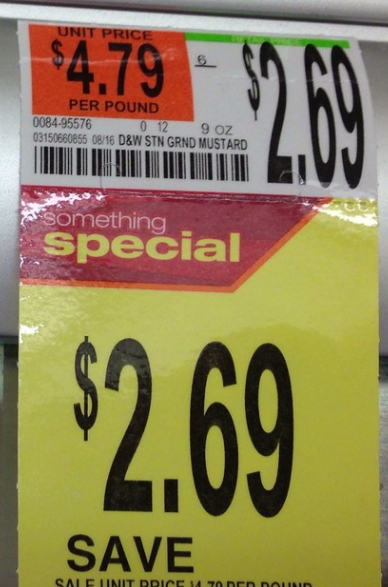
Phantom pricing is a deceptive practice in which a company advertises a product at a significantly higher original price with a discounted sale price. The purpose is to make the product seem like a better bargain than it is by implying that it is being sold at a discount from its regular price. 

This practice is illegal, as it can mislead and deceive consumers. 

If you claim it is a discounted price, remember that you may need to defend it if challenged, e.g. 
- Have you sold it at that original price before
- Have you had it at that original price for a while
- What is the supplier's recommended retail price

Or is the quoted original price fictional?

Add new comment

Restricted HTML

  • Allowed HTML tags: <a href hreflang> <em> <strong> <cite> <blockquote cite> <code> <ul type> <ol start type> <li> <dl> <dt> <dd> <h2 id> <h3 id> <h4 id> <h5 id> <h6 id>
  • Lines and paragraphs break automatically.
  • Web page addresses and email addresses turn into links automatically.
CAPTCHA This question is for testing whether or not you are a human visitor and to prevent automated spam submissions. Image CAPTCHA
Enter the characters shown in the image.

Your 30 November director ID deadline

POS SOFTWARE

The deadline for existing directors of Australian companies to get a Director Identification Number is 30 November 2022.This affects most of us here, so we need to get ready.

Details on how to do it are here.

It does not take long, and I did it myself a few days ago by ringing up.

What happens if you don’t get an ID?

If you are required to get a director ID but don’t, a criminal penalty of up to $13,200 might apply or a civil penalty of up to $1,100,000.

Note: I am not a lawyer or accountant; if you have queries, get a professional to advise.

Add new comment

Restricted HTML

  • Allowed HTML tags: <a href hreflang> <em> <strong> <cite> <blockquote cite> <code> <ul type> <ol start type> <li> <dl> <dt> <dd> <h2 id> <h3 id> <h4 id> <h5 id> <h6 id>
  • Lines and paragraphs break automatically.
  • Web page addresses and email addresses turn into links automatically.
CAPTCHA This question is for testing whether or not you are a human visitor and to prevent automated spam submissions. Image CAPTCHA
Enter the characters shown in the image.

Coming Data protection laws in Australia

POS SOFTWARE

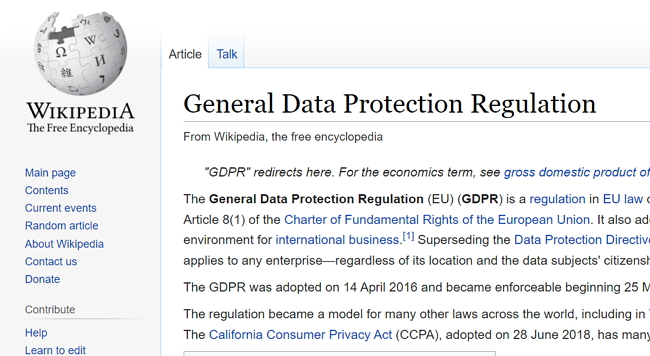
Almost everyone now accepts that if new data protection laws come, they will be based on GDPR. It is used by much of the world today. Not just in Europe, e.g. South Korea, the state of California in the USA, Israel and Argentina have it too.

As there is a significant push to get GDPR laws into Australia, this is both federal and state; it almost certainly will come. It only needs one state, and the cost is there for Australia. It will affect more than *big business* as many stated. Data protection is more than *big business*. Everybody is affected. Click here for a list of any convictions, fines and penalties for violations of GDPR. You will see private individuals, small businesses, and doctors fined for breaches there.

One point that does worry me is that some newspaper companies continue to send data unencrypted to many of my client's private information. I am not too fond of that and have told the newspaper companies about my concerns. It should be addressed ASAP. If someone should pay for it, I do not want it to be my client. The other issue is that many of my clients have private information on clients that is years old. In the same example above, what commercial reason is there for a newsagent to have delivery information on a customer in their computer system after they have given back to the publisher their deliveries? 

Just to clean 1,000 accounts out of the system, assuming it takes 20 to 30 seconds, each is 5 to 8 hours of work. It's a full day probably; I bet it's much more.

My immediate concern is how much costs will SMBs will have to pay, as compliance with GDPR is not cheap. I know in the UK, when introduced, businesses complained of the high expense. When I did a net search in the UK. There I found that some small businesses are paying about $A87/month to cover themselves after having a GDPR audit check initially, then an hourly rate to fix the problems. I am not sure how much a GDPR audit costs there. We charge $500 for a GDPR audit to our clients requiring this, but I am confident there are much more costs in the UK. They would have to include training for staff, customer signing and more.

Much of the cost of monitoring GDPR in Australia is currently passed onto the customer, but I am not sure how this cost of compliance can be passed to Australian customers if GDPR comes here.

We are keeping a close watch on the situation.

Please let me know if you know the situation in a country for any of this under GDPR or similar laws. I like to hear from you.

Add new comment

Restricted HTML

  • Allowed HTML tags: <a href hreflang> <em> <strong> <cite> <blockquote cite> <code> <ul type> <ol start type> <li> <dl> <dt> <dd> <h2 id> <h3 id> <h4 id> <h5 id> <h6 id>
  • Lines and paragraphs break automatically.
  • Web page addresses and email addresses turn into links automatically.
CAPTCHA This question is for testing whether or not you are a human visitor and to prevent automated spam submissions. Image CAPTCHA
Enter the characters shown in the image.

Big updates coming on your software over the Optus data breach 

POS SOFTWARE

Big updates coming on your software over the Optus data breach

Australia has had the most significant data breach ever, affecting over nine million people in its history. What is clear is that the government intends to act on it, and the public wants them to. So our cybersecurity rules will go up, including enforcement and fines in the wake of a breach. We are talking here of a monumental shift in privacy legislation. We will probably get General Data Protection Regulation (GDPR) next year. So as the information comes forward, we also intend to change our POS software.

Let me clarify the problem now your customers' data legally doesn't belong to you. If you abuse it, you could be in trouble. 

If your customer list goes missing, you could be in trouble. So do not believe this is only for big business; it will affect anyone who stores people's data. 

The immediate problem is that many of our clients do not even have a clear picture of what data they actually have. There is so much there, and so many people have worked on it, so who knows what is there?

Although we cannot say yet what will be implemented. Based on overseas privacy issues, the questions that our clients need to investigate to protect themselves now:

-Why do we need the data that we have?
-What are we doing to make it secure?
-Where is it stored?
-How long will we hold the data? This is tough as different organisations have different demands. Some, like courts, want you to keep the information forever

An immediate action you need to take now is that every user of your POS System must use a password to get into your system. If you have not yet implemented passwords, do so now! If these passwords are a year old, change them.

Add new comment

Restricted HTML

  • Allowed HTML tags: <a href hreflang> <em> <strong> <cite> <blockquote cite> <code> <ul type> <ol start type> <li> <dl> <dt> <dd> <h2 id> <h3 id> <h4 id> <h5 id> <h6 id>
  • Lines and paragraphs break automatically.
  • Web page addresses and email addresses turn into links automatically.
CAPTCHA This question is for testing whether or not you are a human visitor and to prevent automated spam submissions. Image CAPTCHA
Enter the characters shown in the image.

The new profanity filter on Facebook

POS SOFTWARE


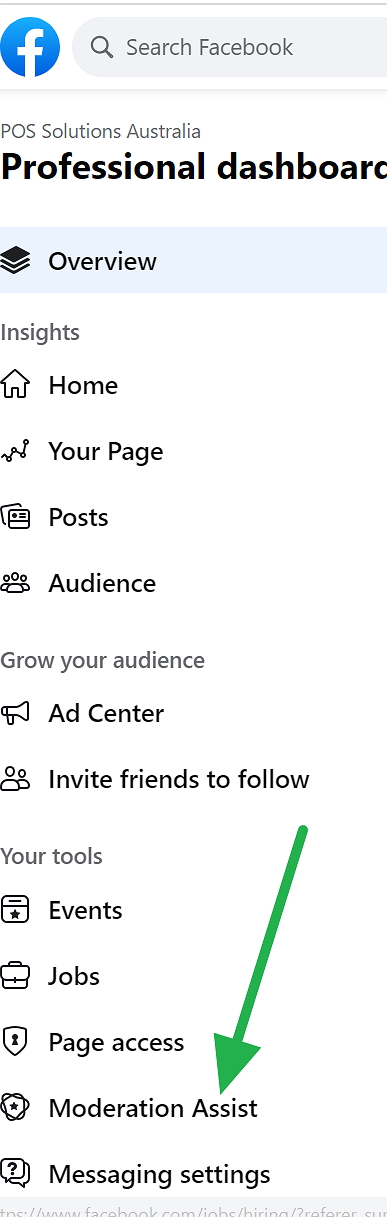
Anyone who does anything on the net knows the problems with profanity. There is an added problem besides your personal beliefs that the Australian Courts do not like it. It considers the owner of the Facebook page responsible for its content. Anyone in business who said to you on the web that their page is *NOT* moderated and open is lying or has a business death wish. Commenting on your page that you accept "no legal responsibility about using, or reliance upon, any content material" does not help much.

Facebook has now introduced a profanity filter. This software automatically hides text from your readers containing swear phrases. You can manually publish this text if you wish after reviewing it. It is long overdue.

Profanity filters don't clear up the problem in their totality, so it does not end the need for moderation. There is no way a filter can know that your use of a word for gender, age, grouping, area etc., is being used as a description or an insult. Words like "lawsuit", "slander", or "defective" are examples of the kind of points you will manually need to address.

How good is it? I am not sure. Many people will disguise swear words by intentionally misspelling them. This doesn't make them any less offensive.

It is a good start!

If you run a Facebook page for your organisation, I recommend implementing it ASAP. You will find it in the image above, marked with a green arrow.


Add new comment

Restricted HTML

  • Allowed HTML tags: <a href hreflang> <em> <strong> <cite> <blockquote cite> <code> <ul type> <ol start type> <li> <dl> <dt> <dd> <h2 id> <h3 id> <h4 id> <h5 id> <h6 id>
  • Lines and paragraphs break automatically.
  • Web page addresses and email addresses turn into links automatically.
CAPTCHA This question is for testing whether or not you are a human visitor and to prevent automated spam submissions. Image CAPTCHA
Enter the characters shown in the image.

.au - Australia's New Domain Name

POS SOFTWARE

As in most of the world, Australia is switching over to allow people to register the shorter .au domain for their website. This will replace the existing websites from .com.au or .net.au to .au.

In most people's view, people are looking for speed of use, so the AU will become the dominant domain as it has overseas. If you have an Australian website for your business, you must reserve your website with the shorter domain AU. If not, it soon becomes available to the general public. The consequences of not registering your existing business name by the deadline could be catastrophic for your online business. A rival could take your online site name. From personal experience, I can tell you that unscrupulous people with little morals will steal your business name if they can. What we are doing for our clients is telling them to register the shortened AU name. Then set up an automatic redirect so people going to the short website .au will direct to the current longer one. This is no long-term solution. It will hurt your SEO doing this. Your site needs to be converted to AU.

I know it's a short deadline, but what can we do? I have asked, and NO extension would be available to give us time.

Act now. It is happening in September.

Add new comment

Restricted HTML

  • Allowed HTML tags: <a href hreflang> <em> <strong> <cite> <blockquote cite> <code> <ul type> <ol start type> <li> <dl> <dt> <dd> <h2 id> <h3 id> <h4 id> <h5 id> <h6 id>
  • Lines and paragraphs break automatically.
  • Web page addresses and email addresses turn into links automatically.
CAPTCHA This question is for testing whether or not you are a human visitor and to prevent automated spam submissions. Image CAPTCHA
Enter the characters shown in the image.